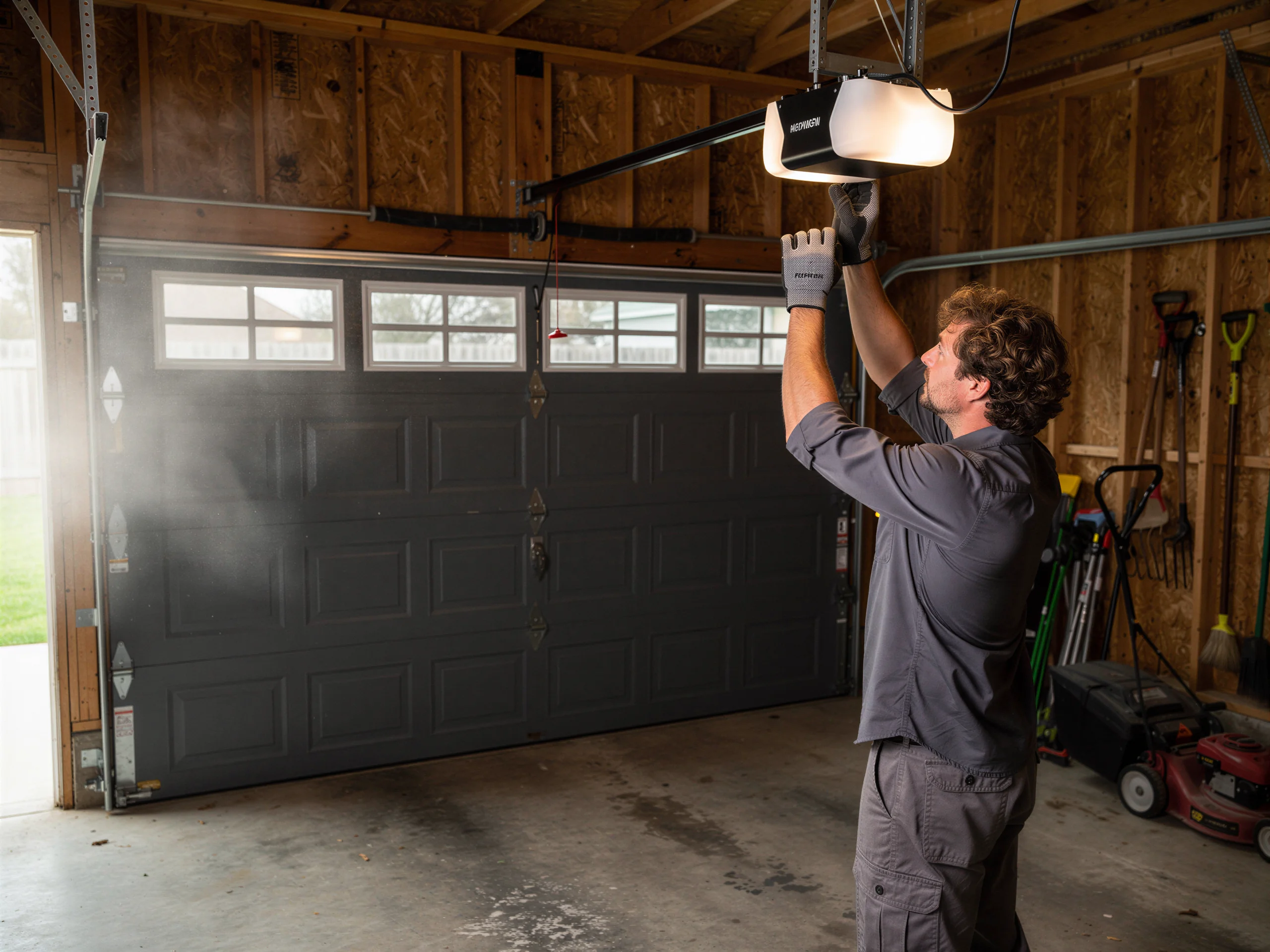
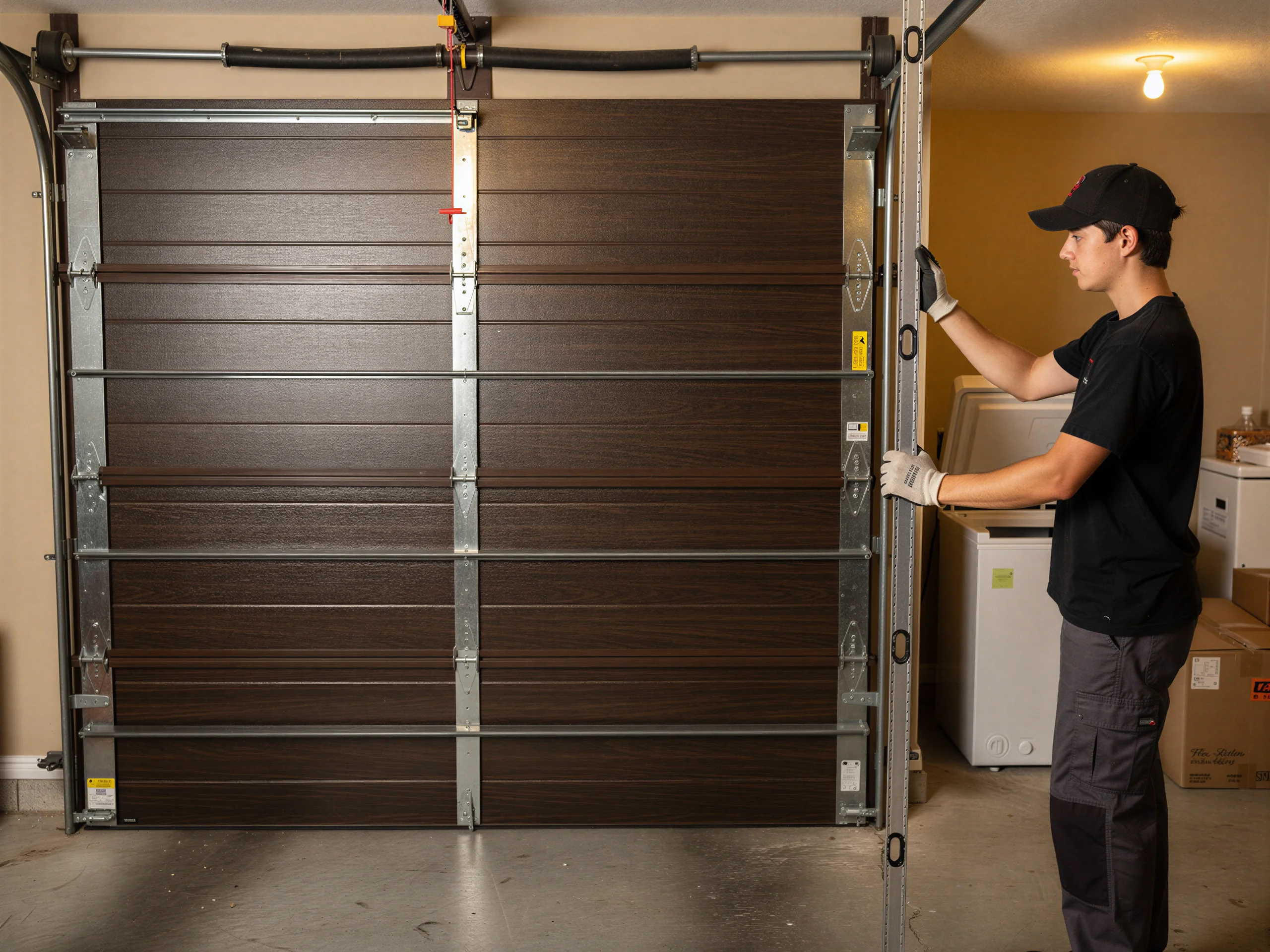
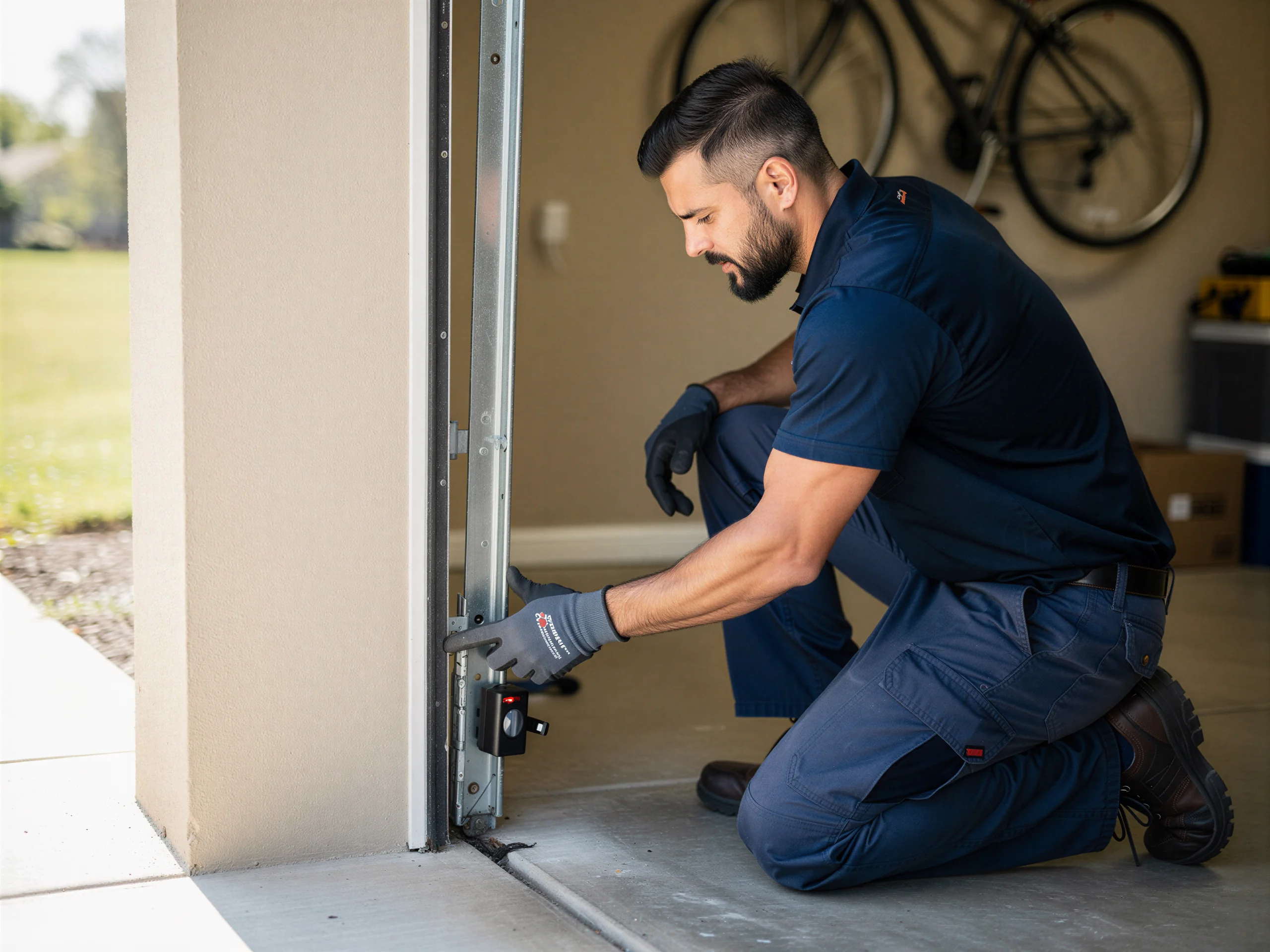
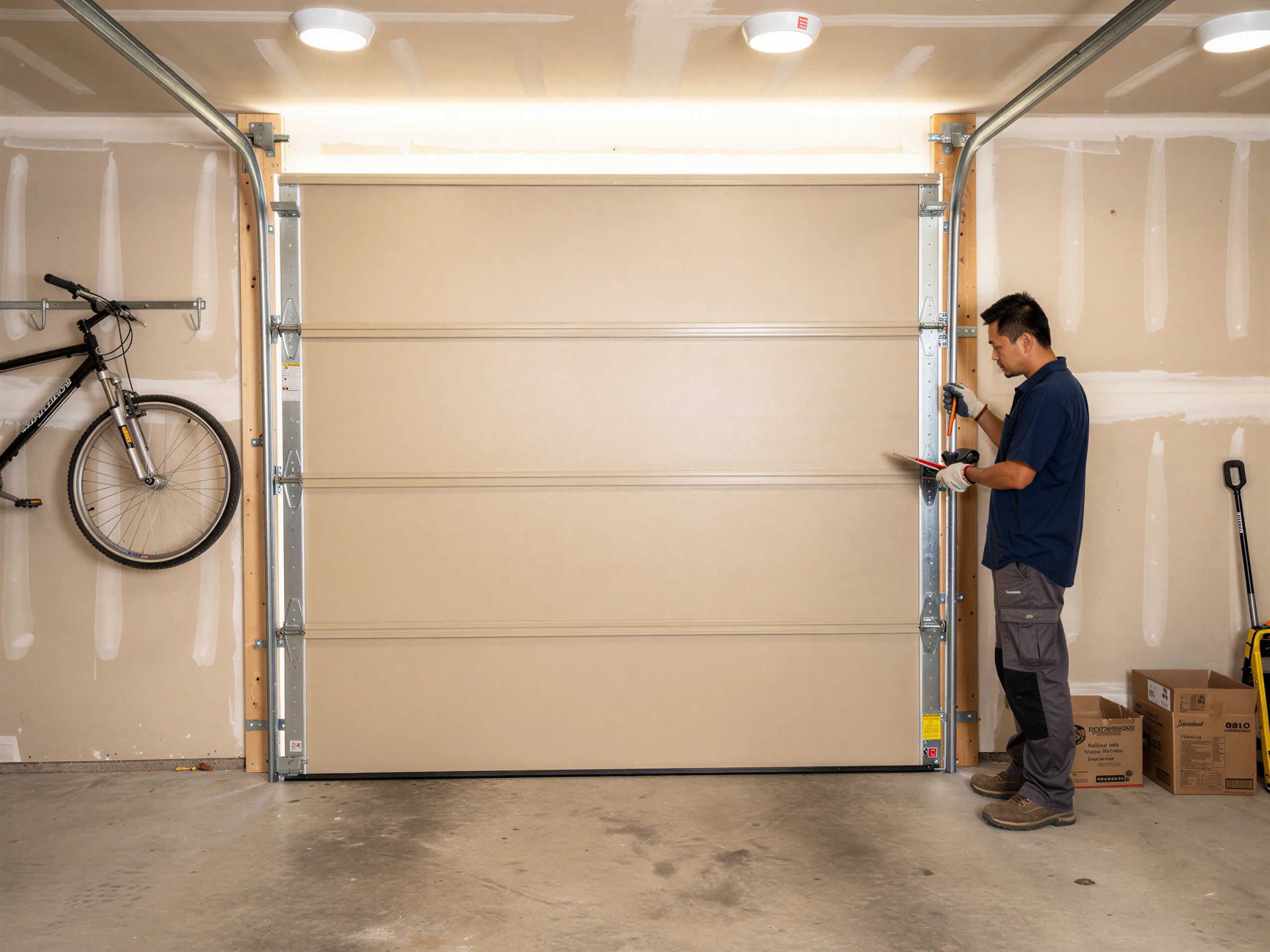
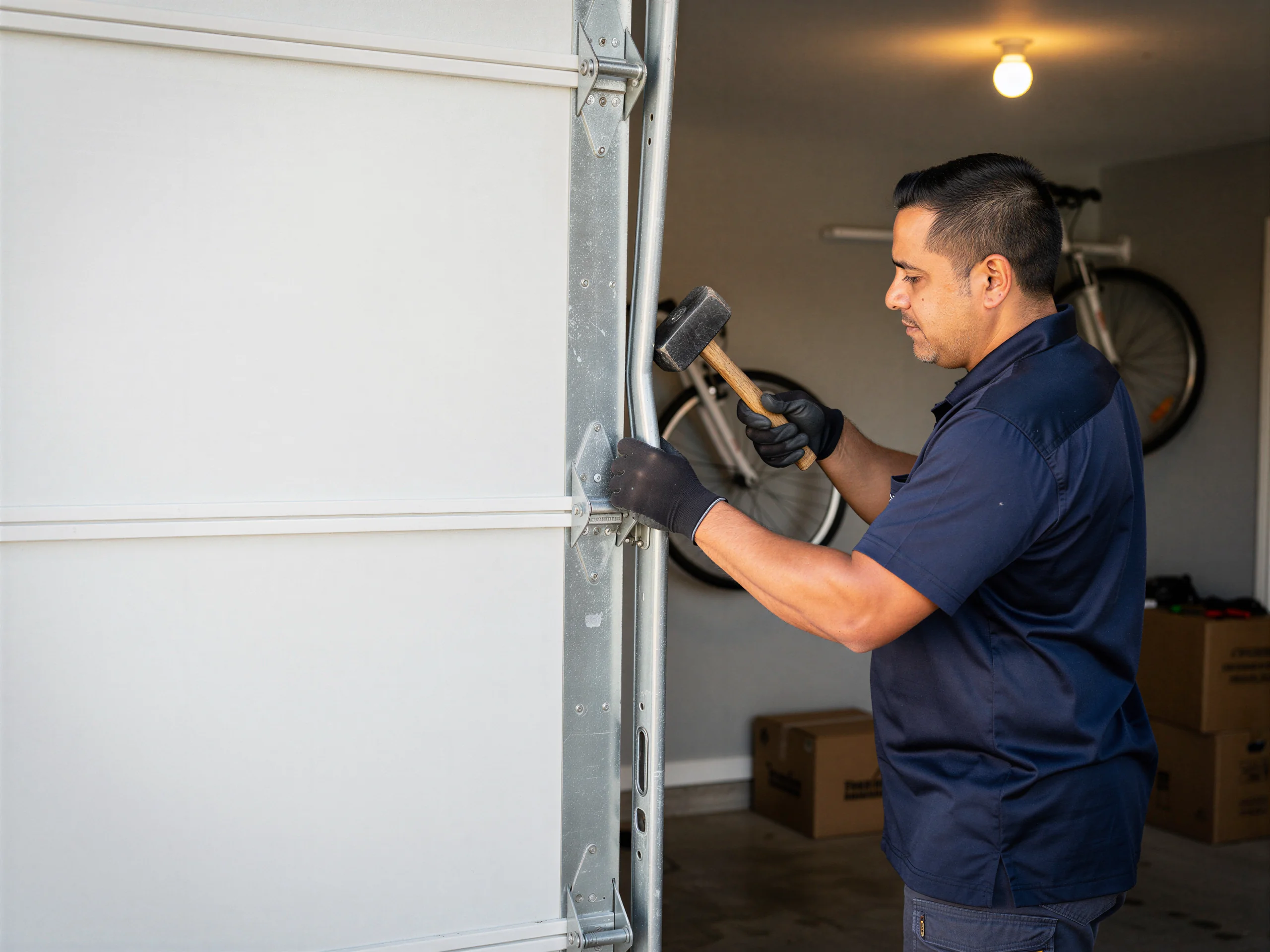
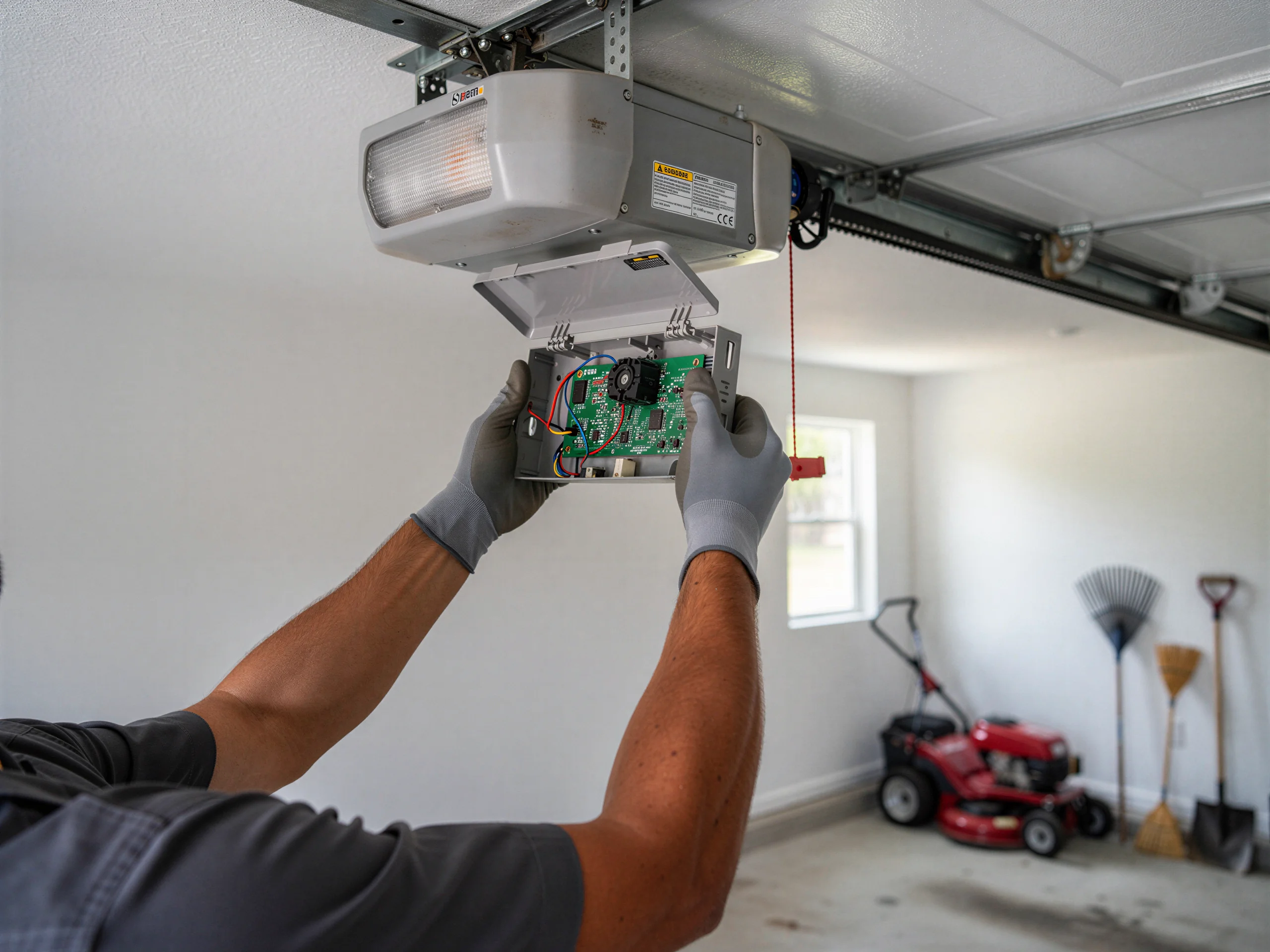
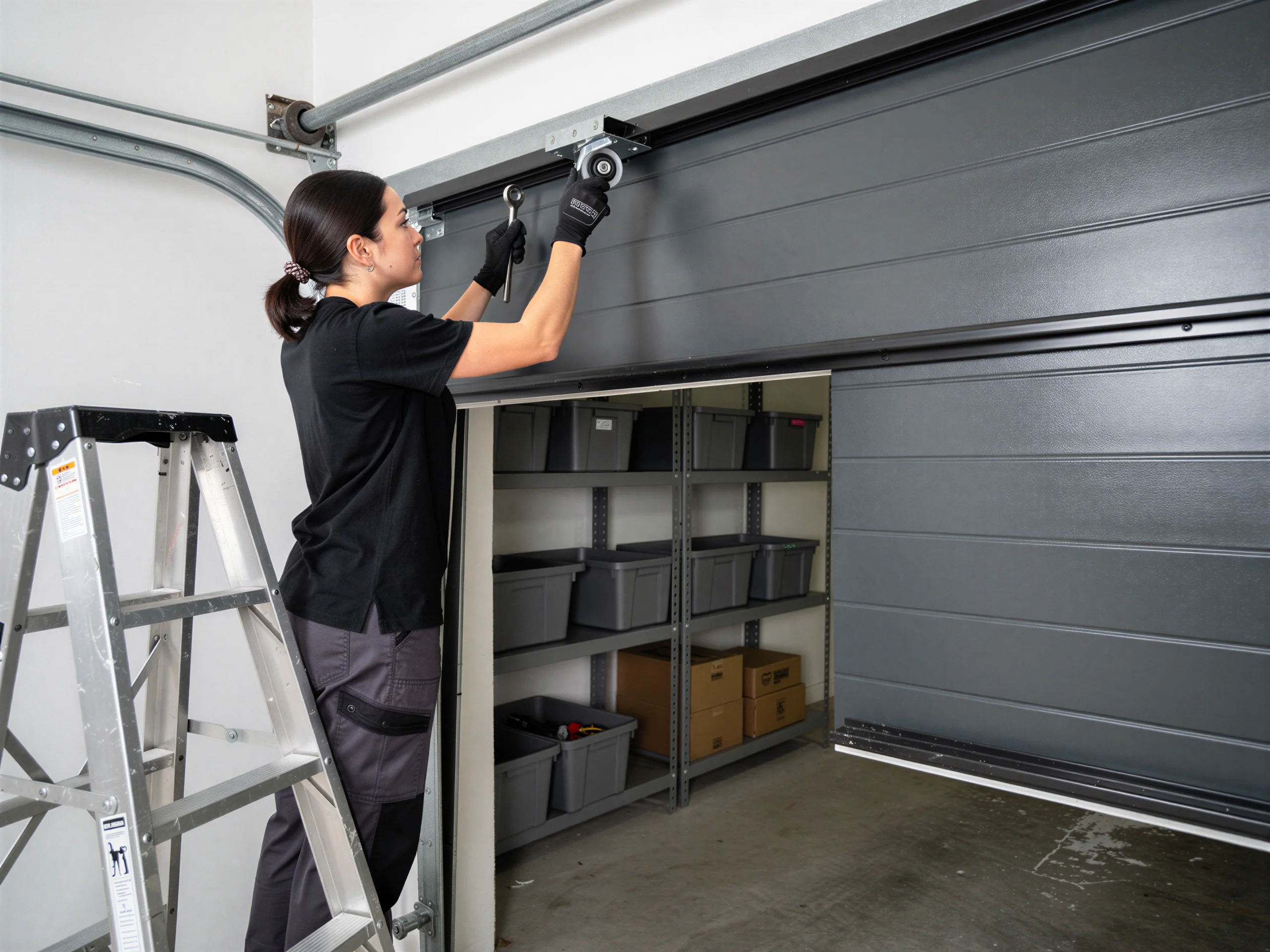
We start by checking the door itself - springs, cables, rollers - before touching the opener, because a bad opener installation on a door that's out of balance just wears out the new motor faster. If the door checks out, we mount the new opener to the existing header if it's solid, or rework the bracket if it isn't, run the rail, and set the travel limits and force settings to the door's actual weight rather than a factory default.
One limitation worth saying plainly: we don't install openers on doors with cracked panels or sagging track, because the new motor will just fight a bad door and fail early. In that case we'll say so and talk about the door first.