Blog
When an Older Door in Maryville Still Has Life Left
Maryville homes built mostly between 1958 and 2003 often have garage doors worth repairing, not replacing. Here's how to tell, given our cold winters.
How Local Conditions Play In
Most houses around Maryville went up between 1958 and 2003, with the bulk of that stock dating to the 1980s and 90s. Across the 13 communities we work in - from Eagleton Village four miles out to Vonore eighteen miles away - that same 1980s-90s door is the one we see most on service calls. That matters because a door from that window was built with a different gauge of steel, different spring sizing, and hardware that doesn't always match what's on the shelf at the supply house today.
With 24,582 owner-occupied houses in the service area, a huge share of them are carrying a door that's outlasted at least one opener already. The door itself - the panels, the track, the hinges - tends to be the part that survives. It's the moving parts that wear out first: rollers, cables, the spring that's been cycling twice a day for three decades. So when we're asked whether a door is worth saving, the age of the house tells us almost as much as the age of the door. If your place was built anywhere near the middle of that 1958-2003 range, odds are good the bones of the door are still sound.
What Is Going On
An older door failing usually isn't one thing - it's wear stacking up. A torsion spring loses tension gradually, so the door gets heavier to lift long before it stops working altogether. Rollers glaze over and start grinding in the track. None of that means the door is done. Steel sections from that 1980s-90s era were generally built heavier than what goes into a lot of builder-grade doors now, and if the panels aren't dented or rusted through, they can usually take a new spring, new rollers, and a cable set and run another long stretch.
What we look for is whether the track is still straight, whether the panels still seal against each other, and whether the opener's drive system - chain, belt, or screw - is in decent shape. If those three things check out, repair almost always makes more financial sense than replacement. Where it stops making sense is when the bottom panel has rusted out from standing water, or the frame itself has racked out of square. At that point you're not fixing a door, you're rebuilding one panel at a time, and that adds up fast.
The Seasonal Bit
Maryville sits in a cold moderate climate band, which is hard on steel sections that were never insulated when the house went up in the 1980s. Cold doesn't crack panels the way it might crack a sidewalk, but it does stiffen grease in the rollers and hinges, and it shrinks the metal just enough that a door riding slightly out of track in summer can start binding in winter. If your opener has started straining or reversing on cold mornings, that's often the tell.
Temperature swings also work on the torsion spring itself. Springs lose a small amount of tension with every cycle, and cold makes a weak spring's limits show up sooner - the door drops faster at the bottom of its travel, or the opener strains to lift it at all. None of this means a cold snap breaks doors outright. It means a spring that was already near the end of its life tends to show it in the colder months rather than the warmer ones, which is why late fall and winter are when we get more spring calls than any other stretch.
When to Get Help
Call before the door fails completely, not after. A spring that's visibly stretched, a door that slams the last foot of travel, or an opener that's straining and reversing are all signs worth a look now rather than a service call at 6am when the door won't open at all.
We'll tell you plainly when a door isn't worth fixing. If the bottom panel is rusted through, if the frame has racked out of square, or if parts for that specific model aren't available anymore, replacement is the honest answer and we'll say so rather than patch something that'll be back on our schedule in six months. At a median household income of $83,485, most owners here can afford a clean replacement when that's genuinely the better move, but plenty of the doors we get called out on - especially the 1980s and 90s stock that makes up most of the area - still have real years left in them once the worn parts are swapped out. The goal is matching the fix to what the door actually needs, not what's easiest to sell.
Questions
Common questions
How do I know if my garage door is too old to fix?
Age by itself isn't the deciding factor - condition is. If the panels are straight, the track isn't bent, and the frame is square, a door built in the 1980s or 90s can usually take new springs, cables, and rollers and keep going. Rust through the bottom panel or a racked frame is what actually ends a door's useful life.
Why does my opener strain more in winter?
Cold stiffens the grease in rollers and hinges and tightens up the metal in the track just enough to expose a spring that's already weakening. If the opener strains or reverses on cold mornings but not in warmer weather, that's usually a spring nearing the end of its life rather than a new problem.
Is it cheaper to repair or replace an older door?
If the structure - panels, track, frame - is sound, repair is almost always the lower-cost route. Replacement starts to make more sense once you're dealing with rusted-through panels, a bent frame, or hardware that's no longer available for that model. We'll tell you straight which category your door falls into.
Recommendation
You Might Also Like
More garage door guides for Maryville homeowners.
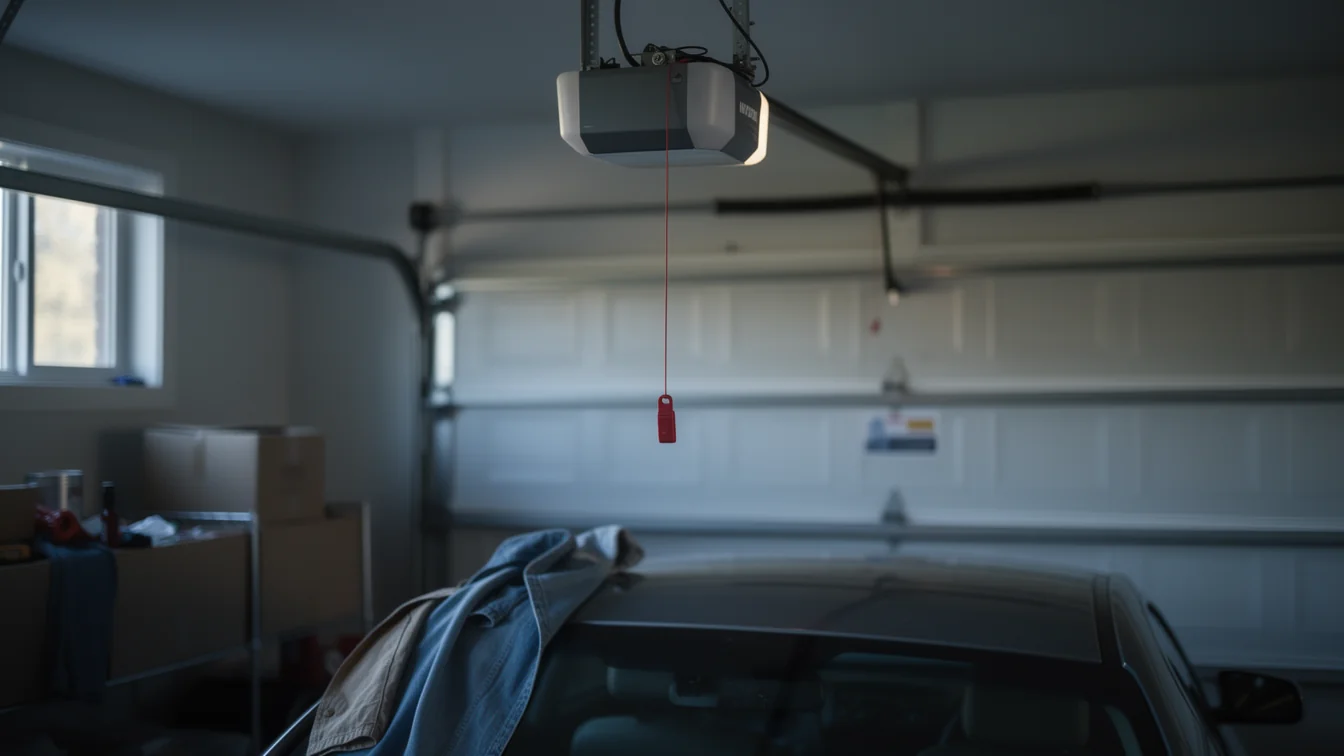 What Your Maryville Garage Door Is Actually Dealing With
Most Maryville homes went up between 1958 and 2003, mostly 1980s-90s builds, which means original openers and springs built for a different cold-weather code.
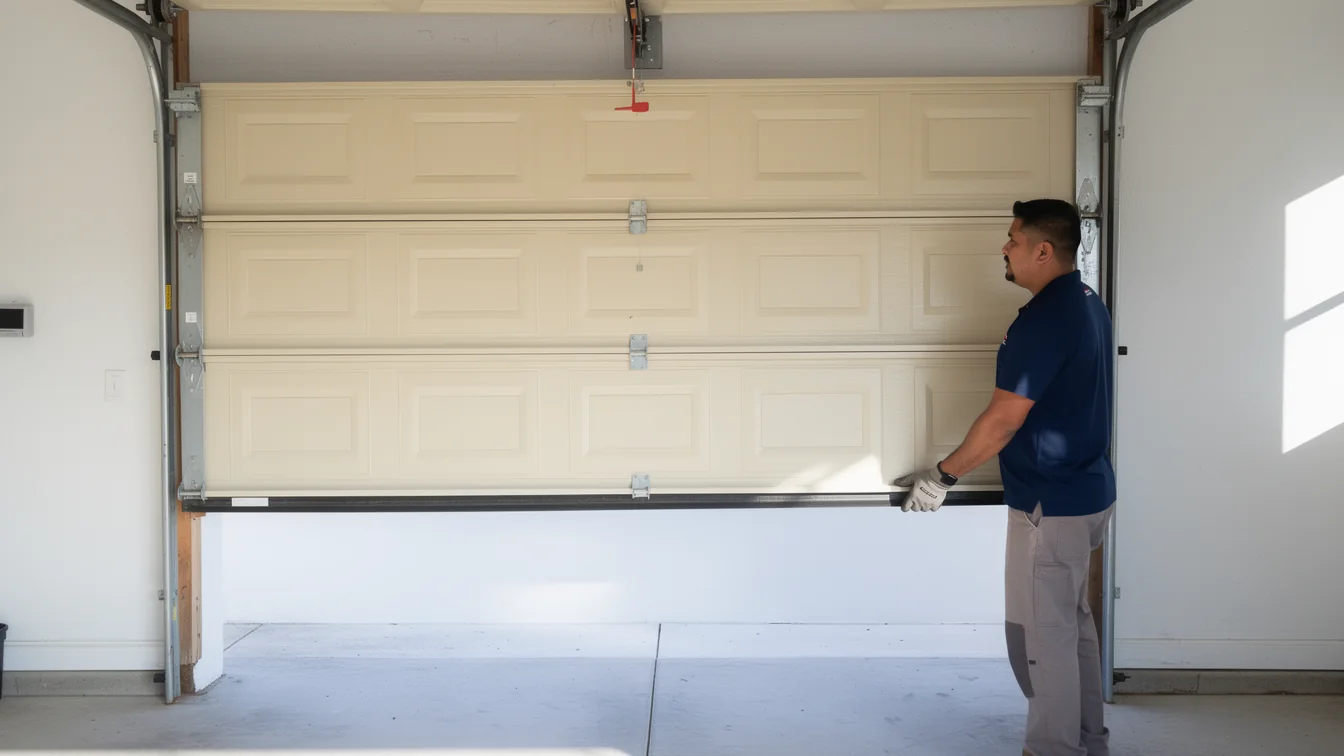 Openers, Power Cuts, and the Age of Your Door in Maryville
Maryville homes built mostly in the 1980s and 90s face cold-season opener failures and power-cut lockouts.
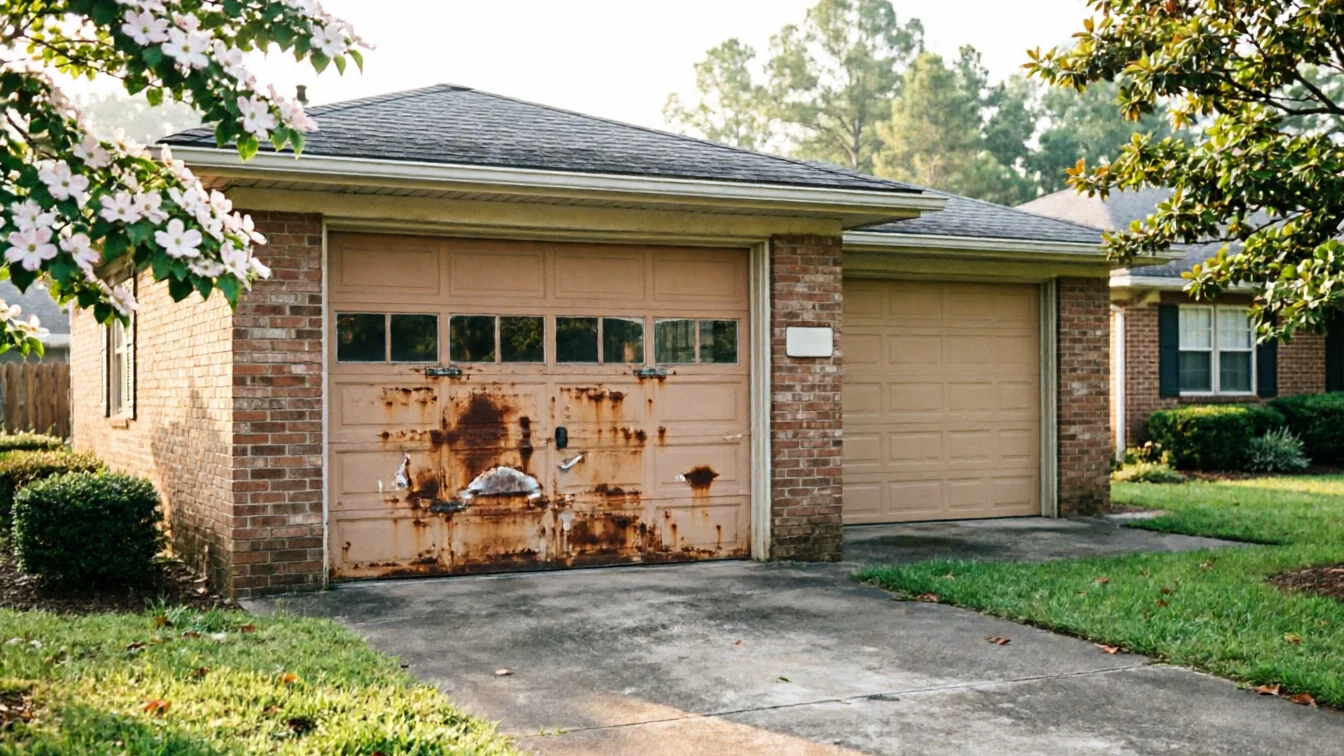 What Actually Happens During a Garage Door Call in Maryville
In Maryville, a garage door service call checks hardware sized to houses built 1958-2003, torsion springs worn by cold winters, and tracks out of square.
Ready when you are
Need a garage door sorted in Maryville?
Maryville Garage Door Pros repairs and installs garage doors, springs and openers in Maryville, TN and the surrounding area.