Blog
What Your Maryville Garage Door Is Actually Dealing With
Most Maryville homes went up between 1958 and 2003, mostly 1980s-90s builds, which means original openers and springs built for a different cold-weather code.
How Local Conditions Play In
Most houses across Maryville's service area - the 13 named areas that make up this market - were built between 1958 and 2003, with the bulk going up in the 1980s and 90s. The median build year lands around 1989, which tells you a lot about what's hanging over the average driveway. A door installed in 1989, the median build year here, is now pushing thirty-five years on its original hardware. That's not a guess about any one house; it's what the housing stock as a whole looks like once you line up the numbers. Maryville sits in a cold-moderate climate band, which means the steel in these doors and the lubricant in these bearings both see real seasonal swings, not the mild year-round sameness you'd get somewhere warmer. None of that is dramatic weather - no named storms, no record cold snaps in what we have on file - but it's enough cycling, year after year, to matter on hardware this old. With 24,582 owner-occupied houses in this service area, a lot of those original torsion springs are well past the cycle count they were rated for, and a lot of openers are chain-drive units nobody makes parts for anymore. The age of the stock, more than any one weather event, is what drives the calls we get.
What Is Going On
A door built around 1989 came with a torsion spring sized for a certain weight of panel, a certain number of open-close cycles a day, and an opener that was decent then and obsolete now. Thirty-plus years of cold-moderate winters and warmer summers - expansion, contraction, expansion again - fatigues galvanized spring wire whether the door gets used twice a day or twenty times. Across the 1980s-90s stock that makes up most of this market, the failure pattern is predictable: springs that let go without warning, cables that fray where they wrap the drum, and rollers - steel, not nylon, because that's what shipped standard back then - that bind and squeal long before they actually break. Panels themselves usually hold up fine; it's the moving hardware that wears out first. We also see openers original to the house, units built before modern safety reversal sensors were standard, still running on original gear sets. That's not a scare story - plenty of them still work - but when one fails, parts for a 30-year-old chain-drive opener aren't sitting on a shelf anywhere, which usually makes replacement the more sensible call over a repair that chases discontinued parts.
The Seasonal Bit
Cold-moderate means the ground freezes some winters and doesn't others, and that inconsistency is harder on a door than a hard freeze every year would be. Steel contracts in cold enough to tighten tolerances on track and rollers, so a door that runs quiet in August can start grinding by January, especially on original steel rollers with dried-out grease. Springs under tension behave differently in the cold too - brittle wire fails faster under load than it does on a mild afternoon. None of this is an argument for new hardware every fall. It's an argument for a once-a-year look at the springs, cables, and rollers before the temperature swings start, because on a door pushing its third or fourth decade, winter is when the weak link usually finds itself.
When to Get Help
Call before the spring actually breaks if the door's sounding rougher than it did a season ago, or if it's noticeably heavier to lift by hand than it used to be - those are both signs a spring is near the end of its life, and a controlled replacement beats an emergency one. If the door is original to a house built anywhere in that 1958-2003 window and you don't know the last time the springs were swapped, that's reason enough to have it checked. Here's the honest limit: if the opener is original and a part has failed, we may not be able to get that exact part. On units that old, replacing the opener usually costs less than chasing a discontinued gear or circuit board, and we'll tell you that straight instead of billing hours hunting for parts that don't exist anymore. What we won't do is talk you into replacing a door that just needs rollers and a service call.
Questions
Common questions
How old is the average garage door in Maryville?
Housing in this service area was mostly built between 1958 and 2003, with a median year around 1989. That means a lot of doors and openers in use today are original equipment pushing three to four decades old, which is well beyond the working life of most torsion springs and chain-drive openers.
Does the cold actually affect garage door springs here?
Maryville sits in a cold-moderate climate band, so steel hardware and lubricant both see real seasonal swings rather than staying mild year-round. That cycling between temperatures tightens tolerances on rollers and makes brittle spring wire more likely to fail in winter than in a warm month.
Should I repair or replace an opener from the 1980s or 90s?
Depends on what broke. If it's a belt, sensor, or wiring issue, repair usually makes sense. If a gear set or circuit board on an original chain-drive unit has failed, parts often aren't available anymore, and replacing the opener outright tends to cost less than hunting for discontinued components.
Recommendation
You Might Also Like
More garage door guides for Maryville homeowners.
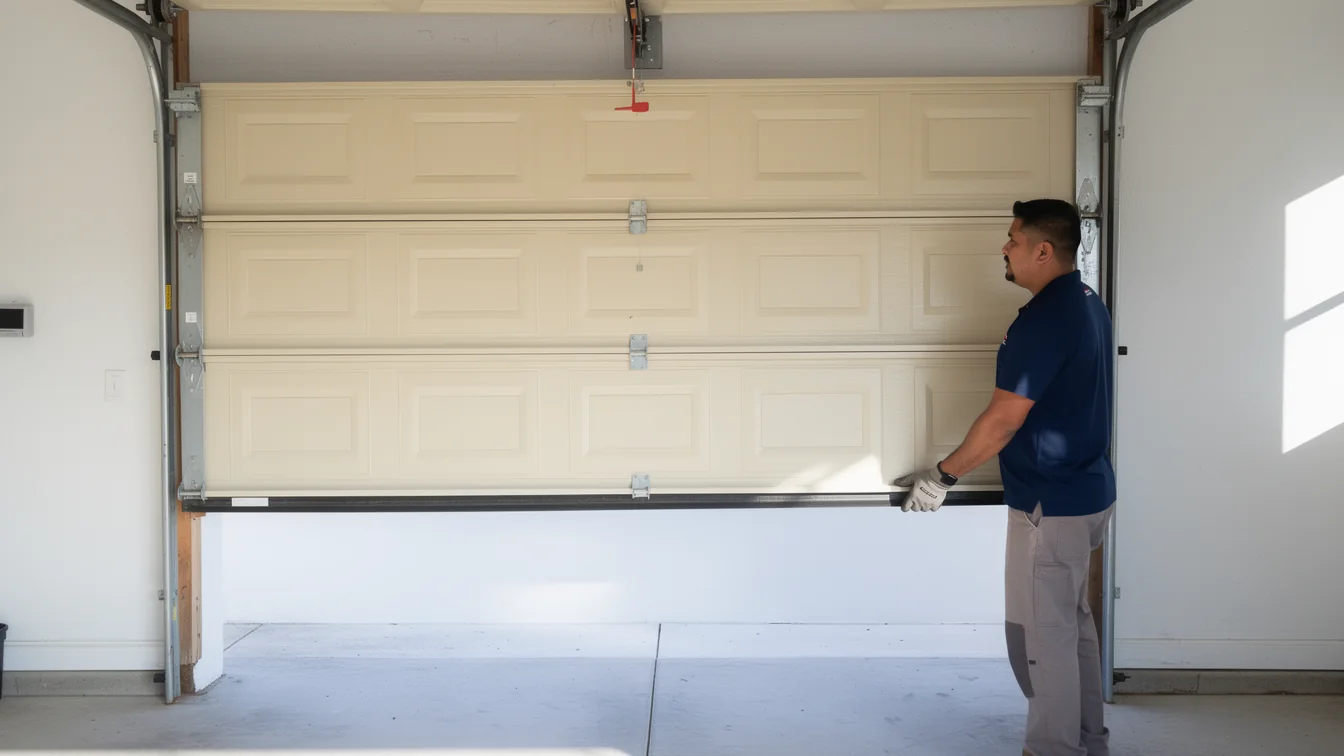 Openers, Power Cuts, and the Age of Your Door in Maryville
Maryville homes built mostly in the 1980s and 90s face cold-season opener failures and power-cut lockouts.
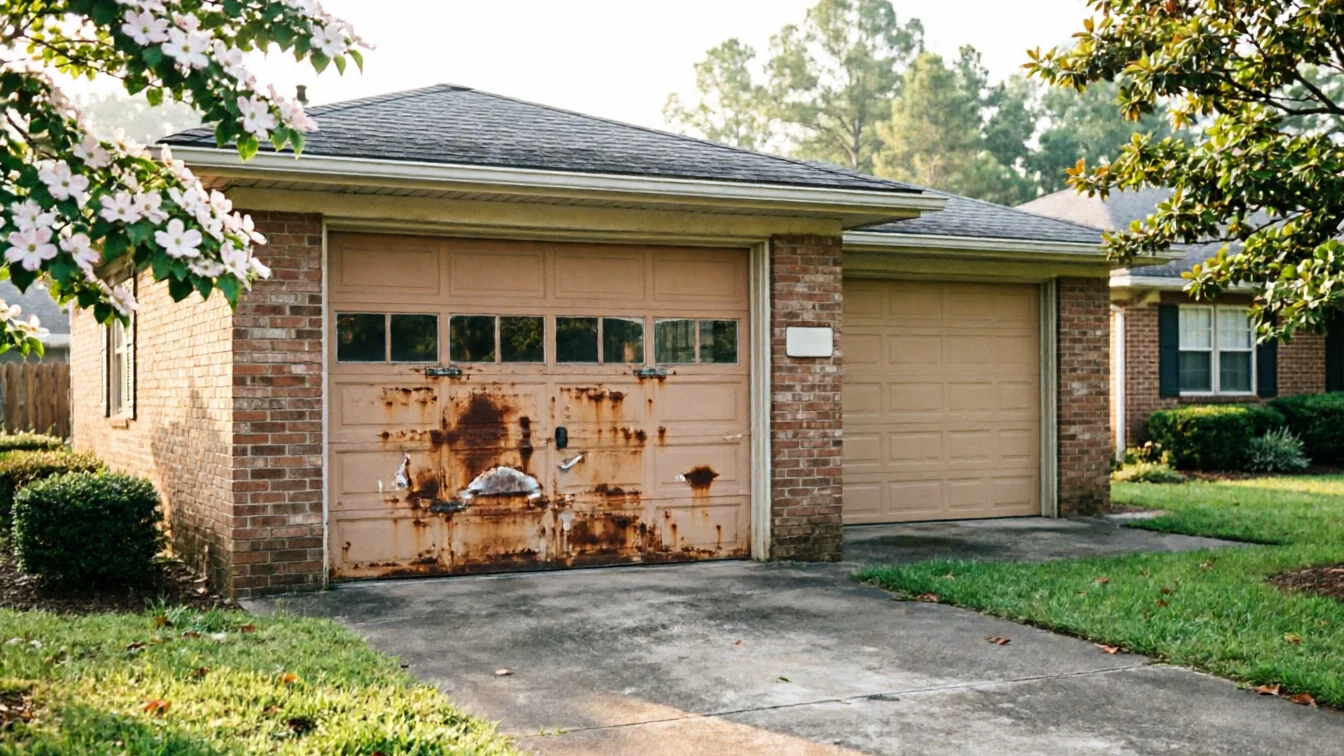 When a Spring Goes in Cold Weather Around Maryville
Most homes near Maryville went up between 1958 and 2003, with the bulk from the 1980s and 90s - that building era is exactly where cold-weather spring failures start to show up now.
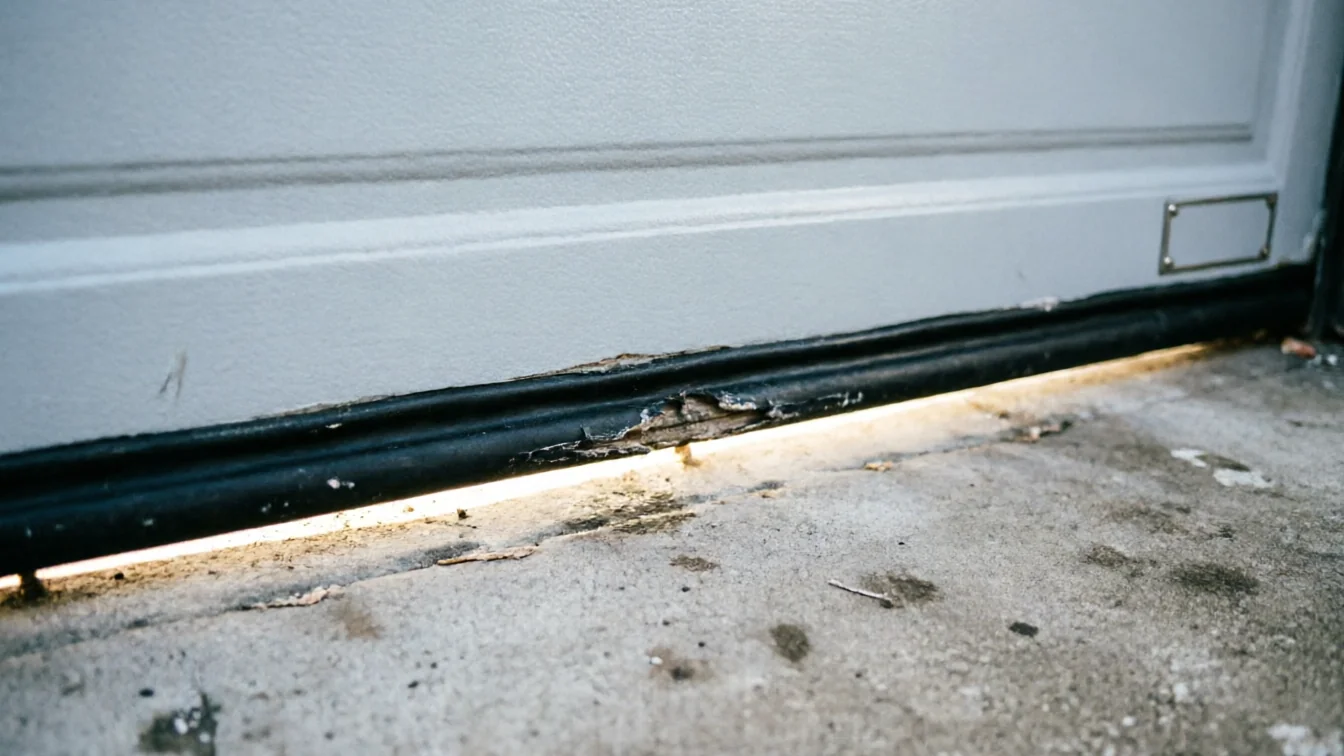 What That Garage Door Noise Is Actually Telling You
Most Maryville homes date to the 1980s and 90s, with original hardware aging the same way across town.
Ready when you are
Need a garage door sorted in Maryville?
Maryville Garage Door Pros repairs and installs garage doors, springs and openers in Maryville, TN and the surrounding area.