
Unbalanced door opener strain
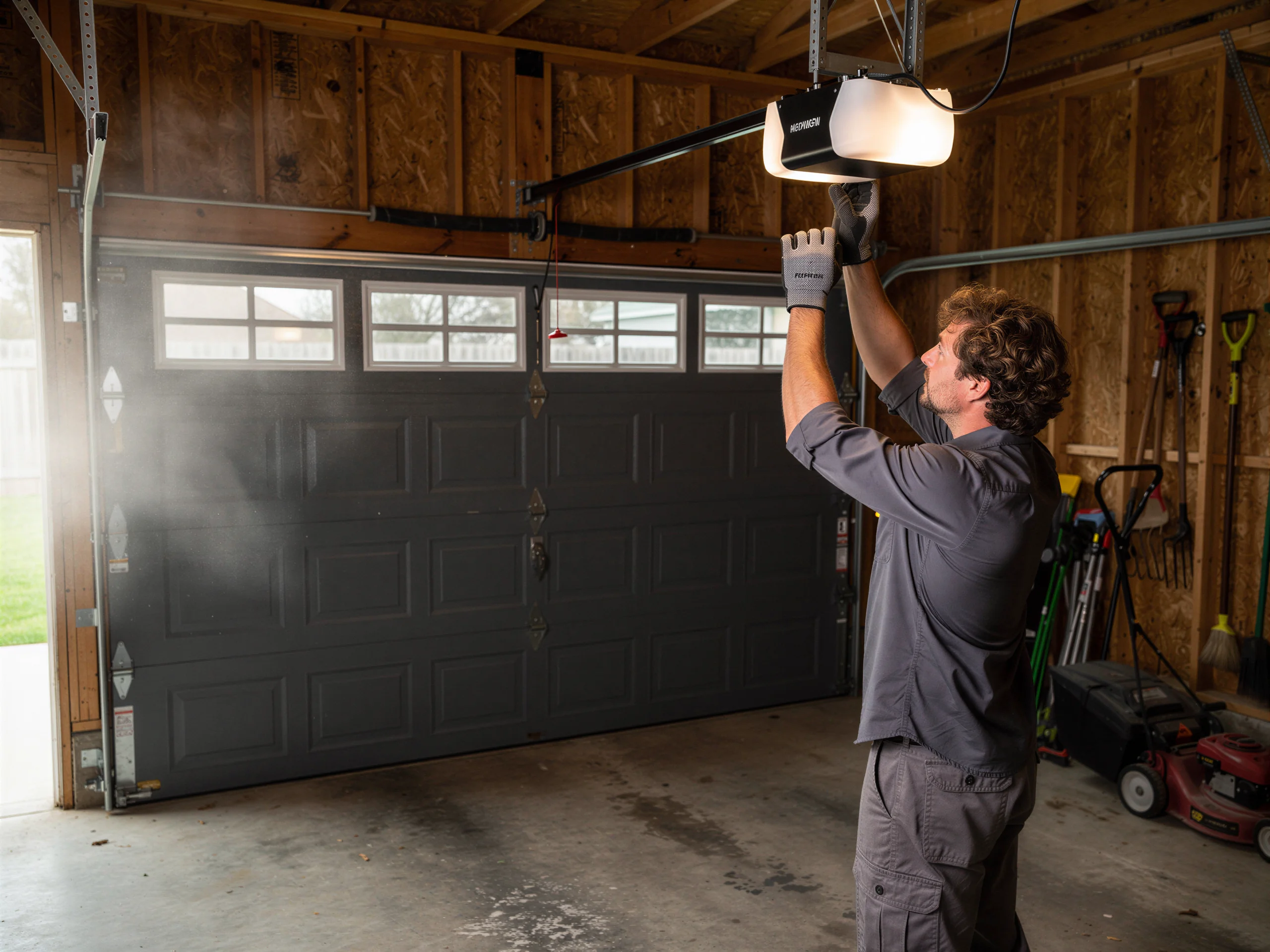
Mount a new opener on an unbalanced door and the opener does the work the springs should be doing - it'll run for a while, then burn out early or strip the gear.
Louisville, Maryville
Opener installs for Louisville, TN homes built mostly in the late 1980s and 90s. We work from Maryville, 7 miles out, matching new openers to older steel doors.
Our process
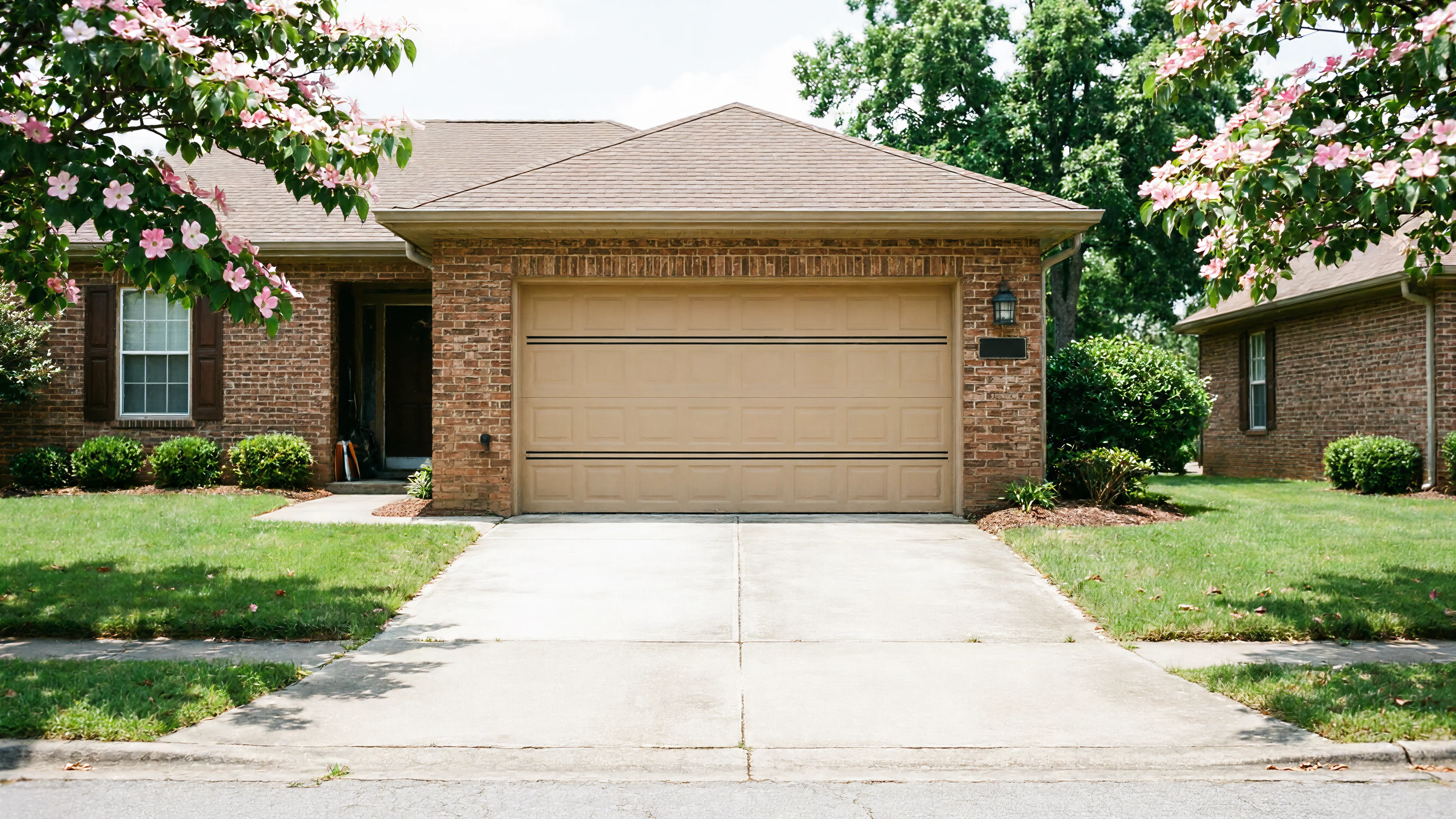
Most garage doors in Louisville went up when the house did, somewhere around 1989. That means a steel sectional door, usually a single 16x7 or two single 9x7s, hung on hardware sized for the chain-drive opener that came standard back then.
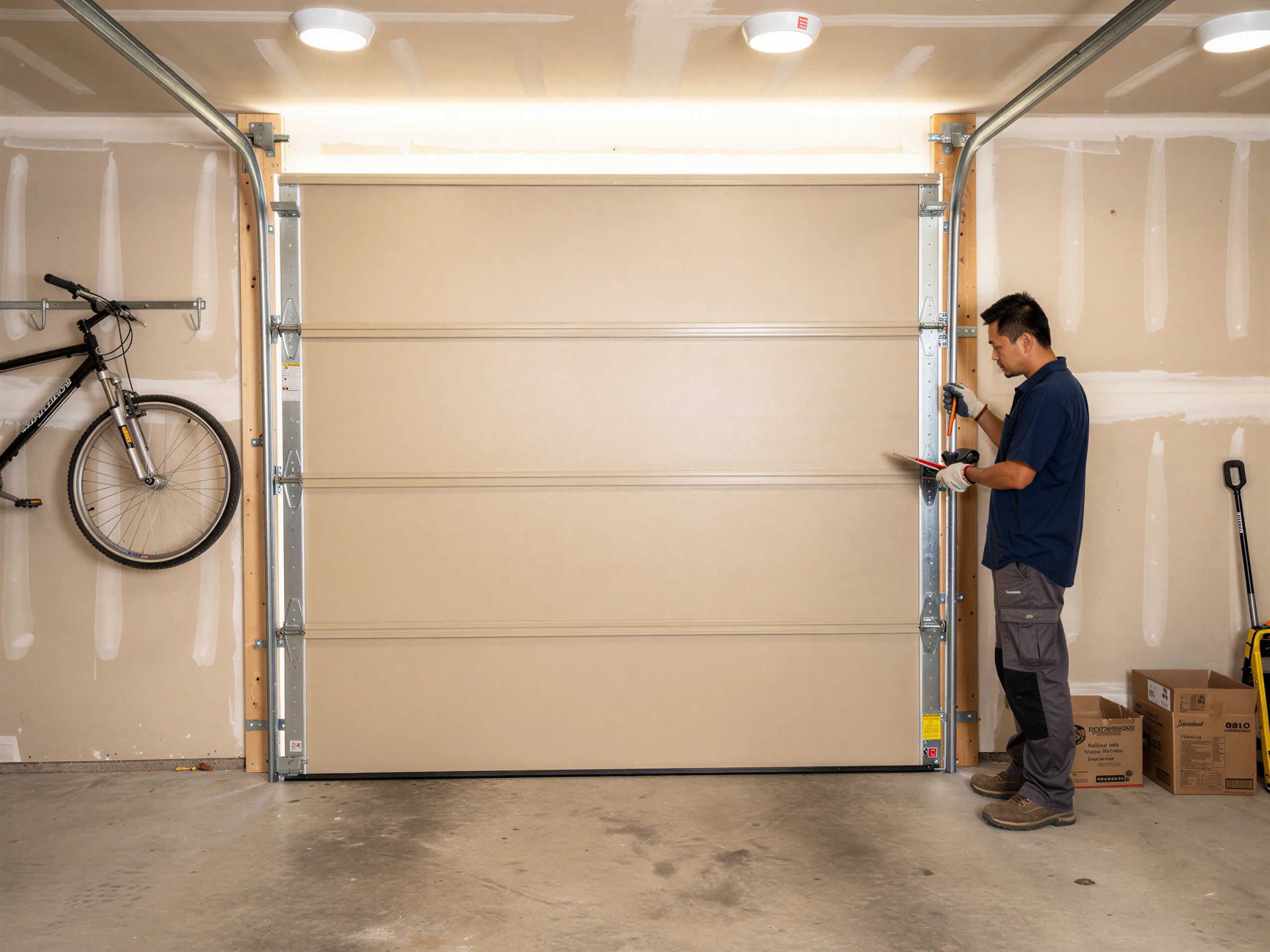
When we install a new opener here, the first job isn't the opener itself - it's checking whether the door and track can take a belt or screw drive without a rebuild. A lot of these doors still run true on their original track, just worn at the rollers, so we can mount a new unit without touching the door.
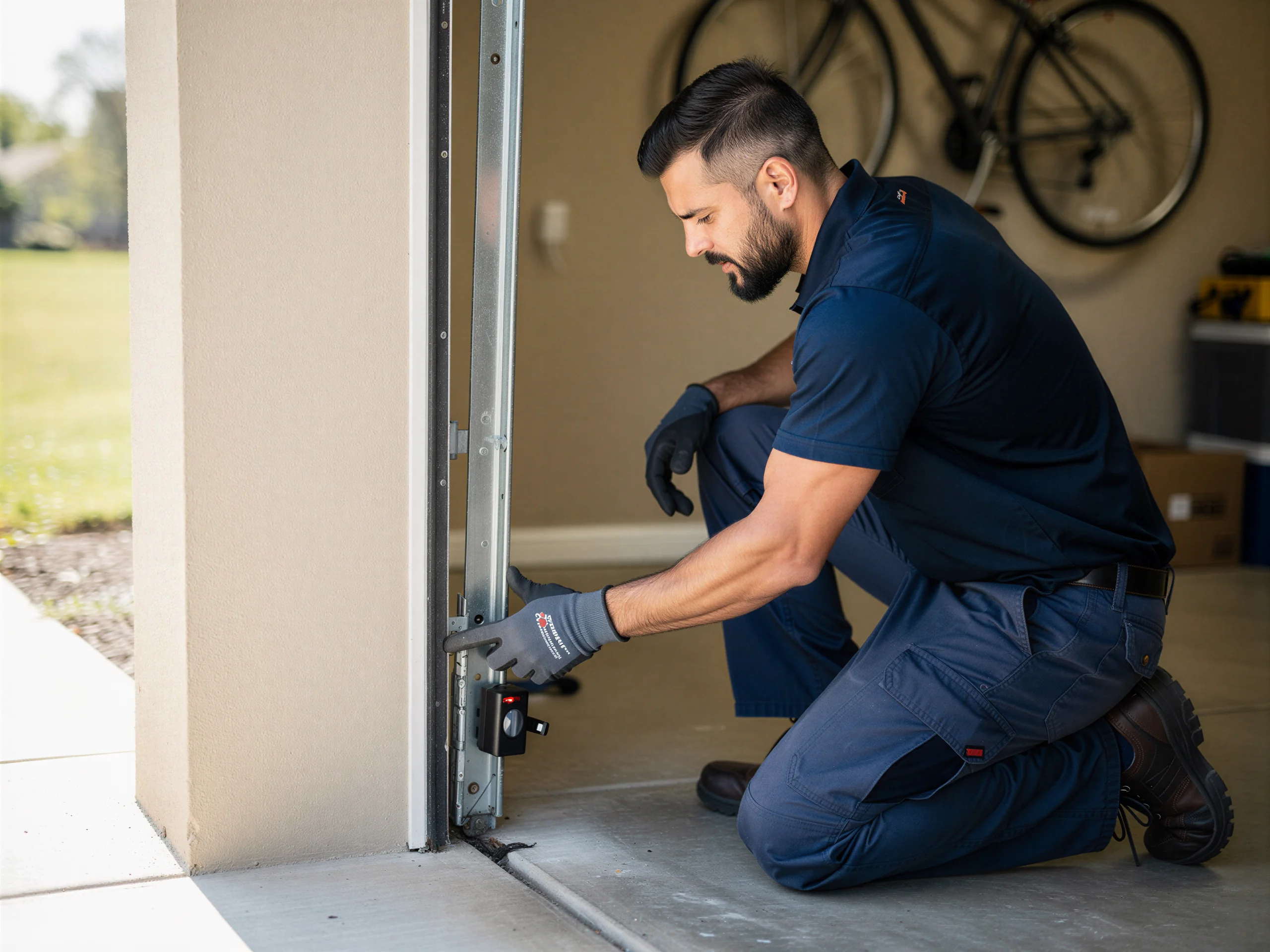
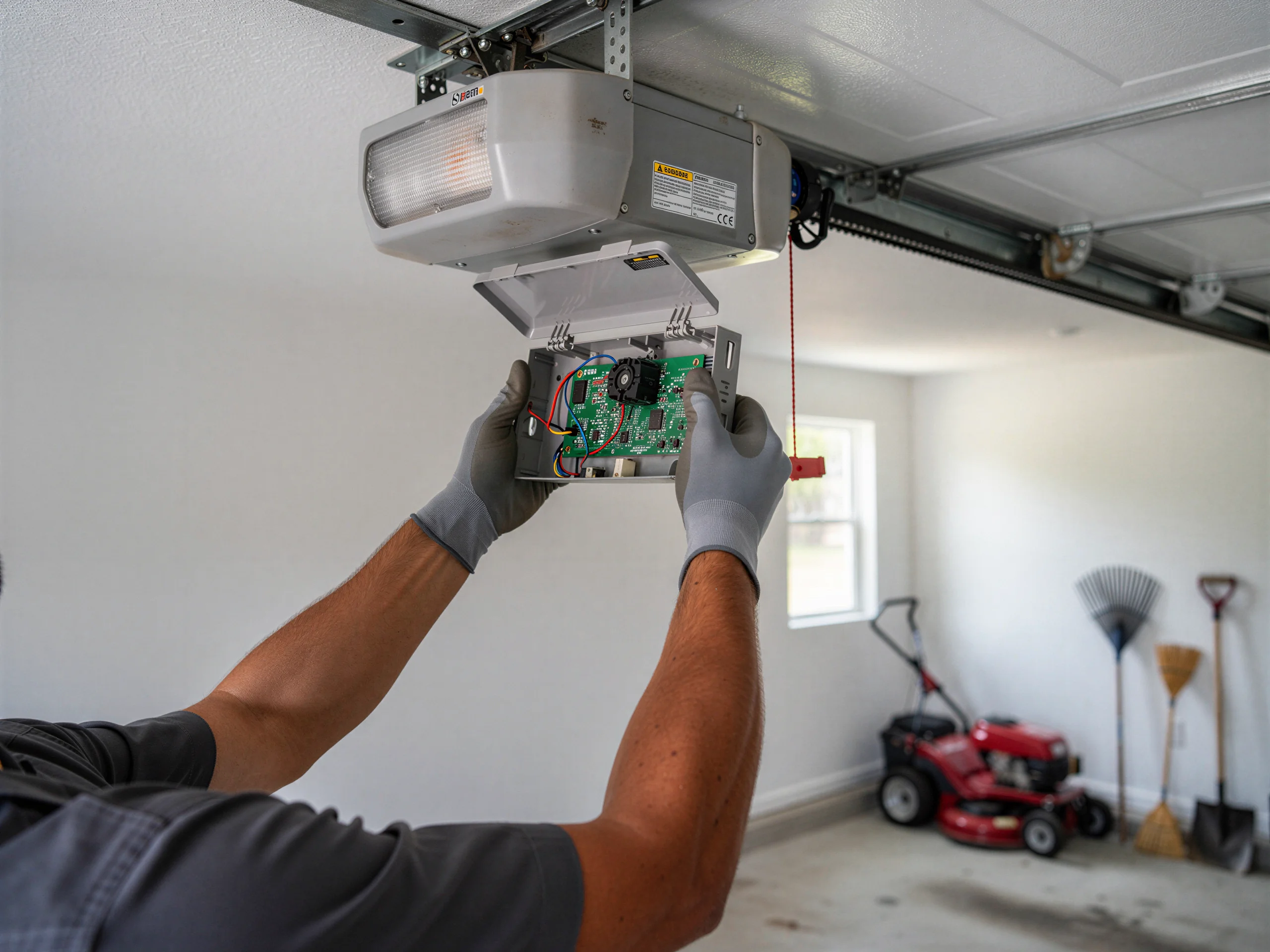
We pull the old opener, check the header for a solid mounting point (some of these garages used thinner framing than you'd see in newer construction), and set the new rail so it clears the door's travel without binding.
Then we set force and limit, because a door this age has more friction than a current one and an opener tuned to factory defaults will either slam the door or stall out. We test it under load, not just empty, since a lot of callbacks on older doors come from skipping that step.
Pricing
We don't have a Louisville-specific price list to quote here, and a flat number would be a guess dressed up as a fact. What we can tell you is that households in this service area run a median income of $83,485, which is higher than a lot of the areas we cover, and it shows in the openers people choose - more requests for battery backup and quieter belt drives, fewer bare-bones chain units. The opener itself is one cost; matching it to a 30-plus-year-old door's hardware is sometimes a second, smaller one.
Watch-outs
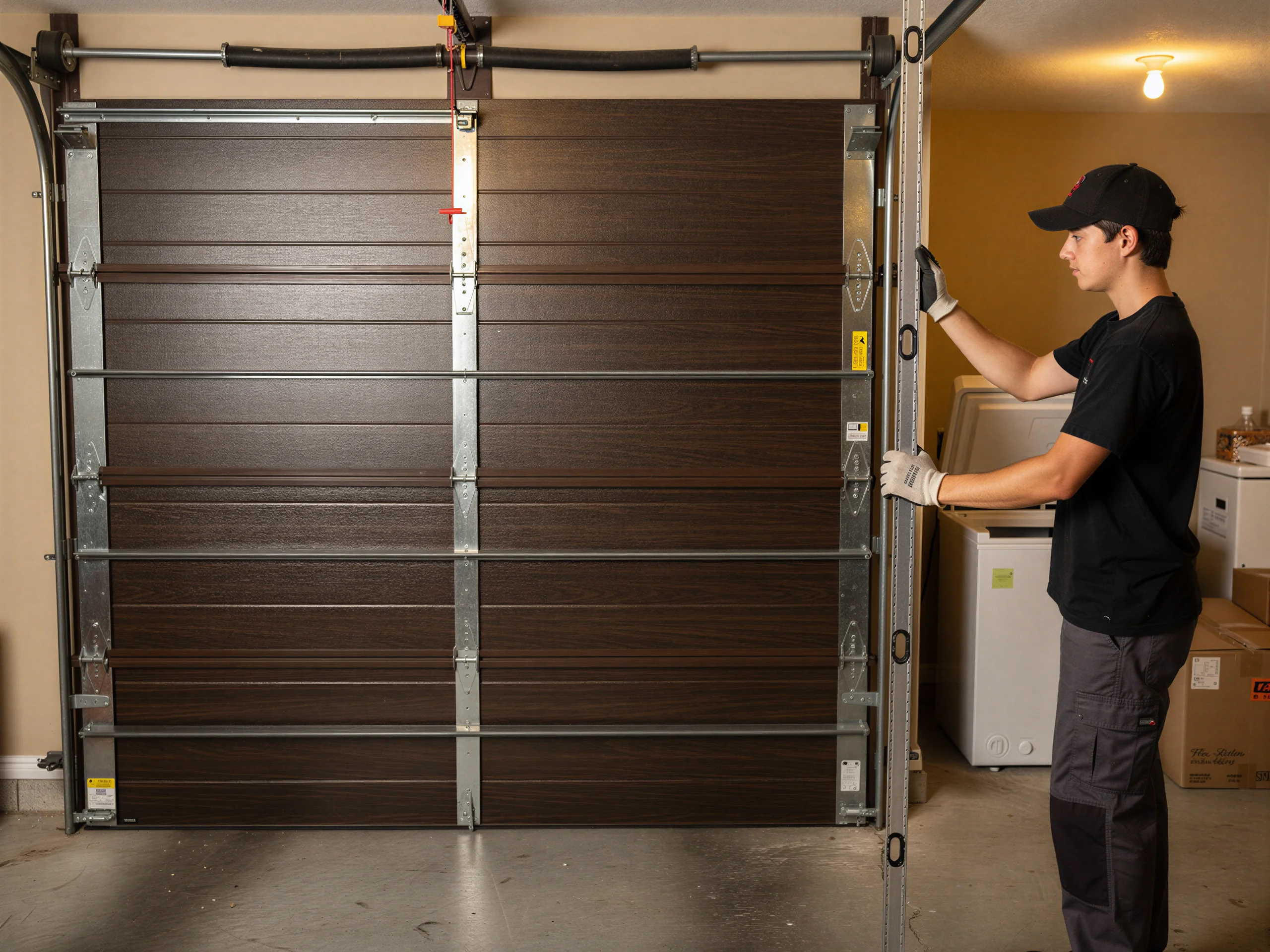
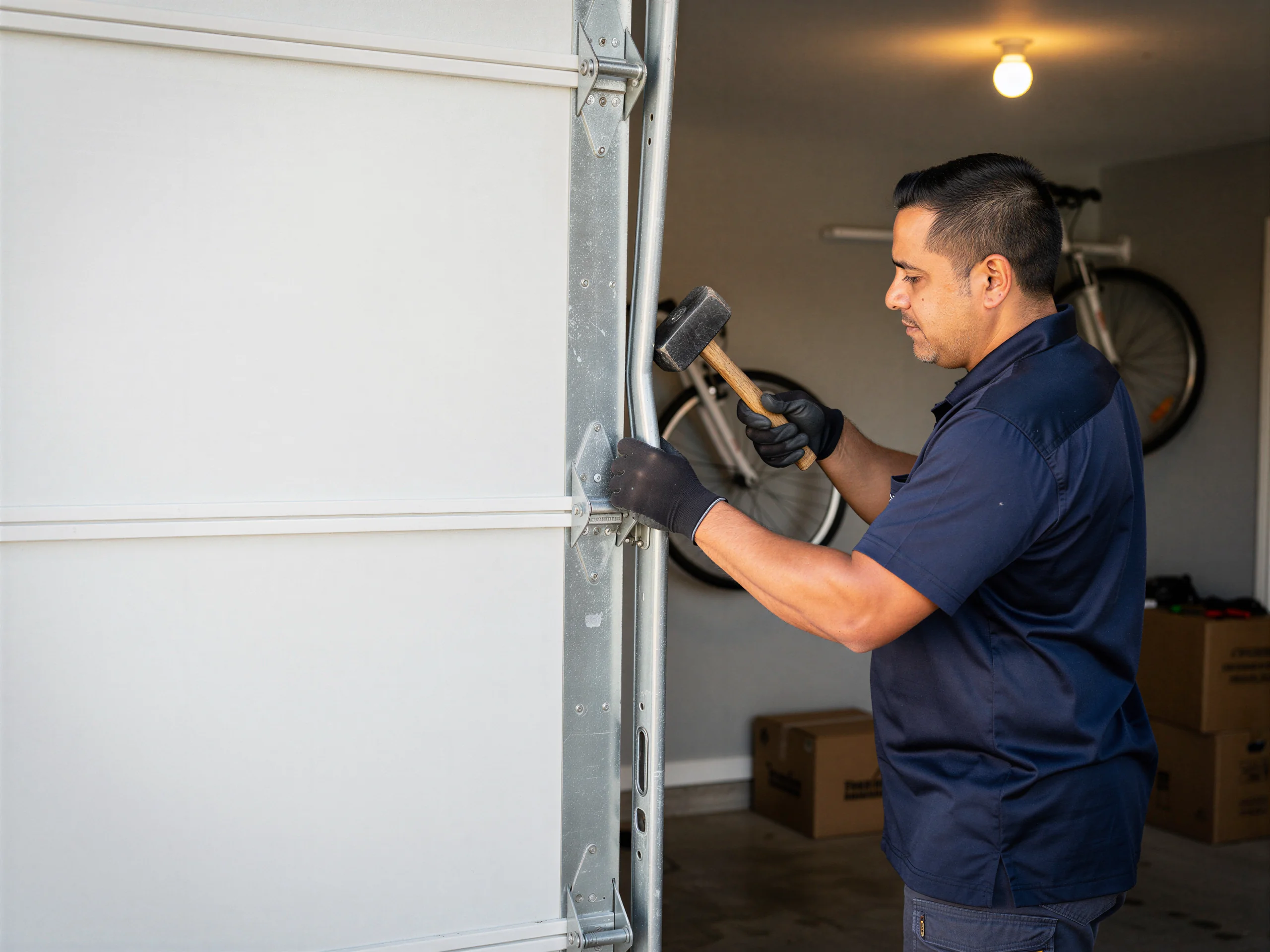
The install goes sideways when the door looks fine standing still but isn't balanced. On a door from this era, the springs have usually been replaced at least once, sometimes with the wrong wire gauge for the door's weight.
Mount a new opener on an unbalanced door and the opener does the work the springs should be doing - it'll run for a while, then burn out early or strip the gear.
We check balance before the opener goes on, not after it fails. The other spot this trips people up: smart openers that want a strong Wi-Fi signal at the garage.
Houses built in this period often have the garage set off from the main living space, and we've had units that connect fine in the shop and then sit on a weak signal once they're mounted. We tell people that up front rather than let them find out after the install.
Symptoms
The call we get most from this area is a door that reverses halfway up, or an opener that runs but the door doesn't move at all - the trolley clicks loose on the rail.
Both point to the same root cause on a house this age: the opener is newer than the door, installed as a retrofit onto original hardware that's worn past what the safety sensors and force settings expect.
Less common but still a problem here - the remote works intermittently, which on a late-80s build often turns out to be a dead backup battery in a keypad nobody's replaced since it was installed.
Local causes
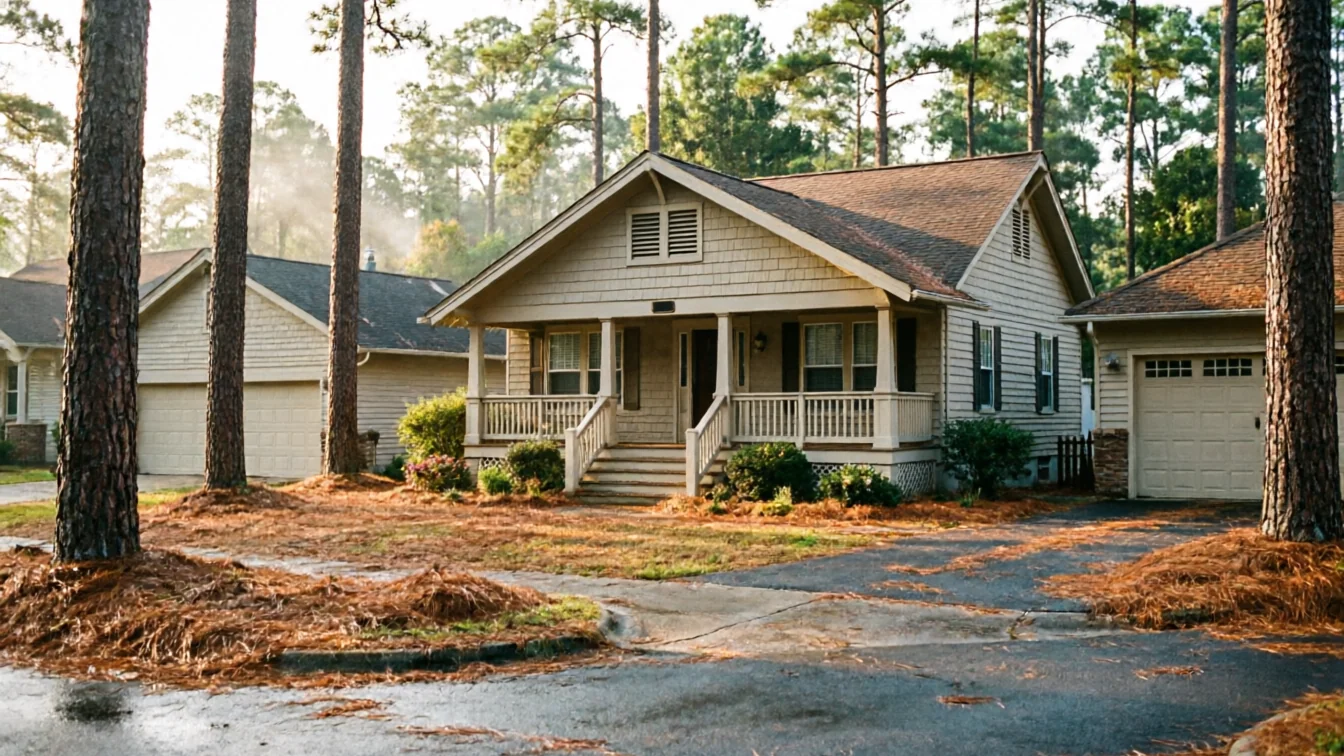
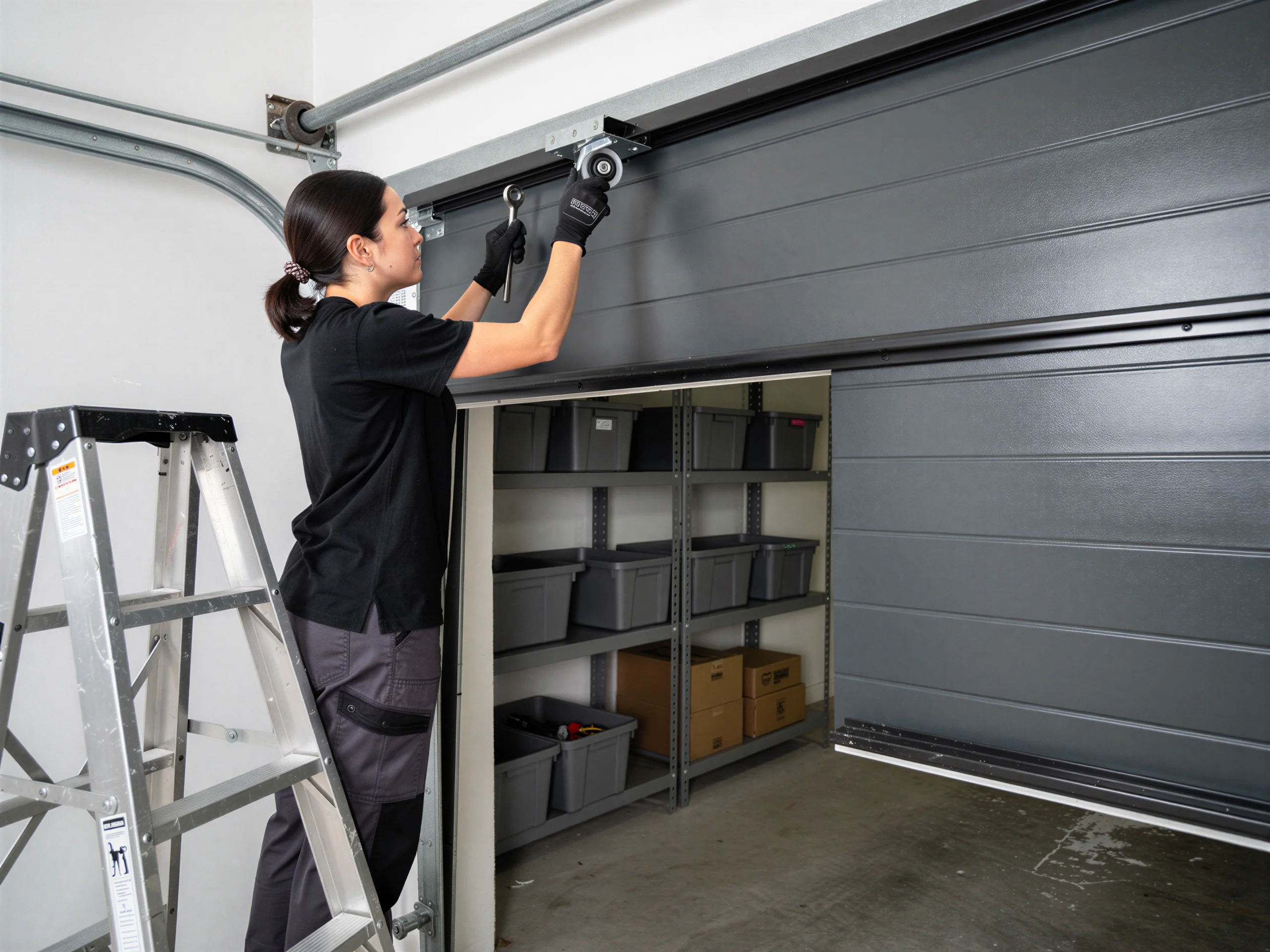
The climate here is cold-moderate, not brutal, but it's enough that steel doors from the late 80s and 90s have been through thirty-plus winters of expansion and contraction on the same hinges and rollers. That wear doesn't show up as rust so much as play in the roller stems, which throws off how smooth the door travels - and a modern opener's force sensor reads that drag as an obstruction. It's not a defect in the new opener. It's an old door telling a new motor something's off.
DIY or pro
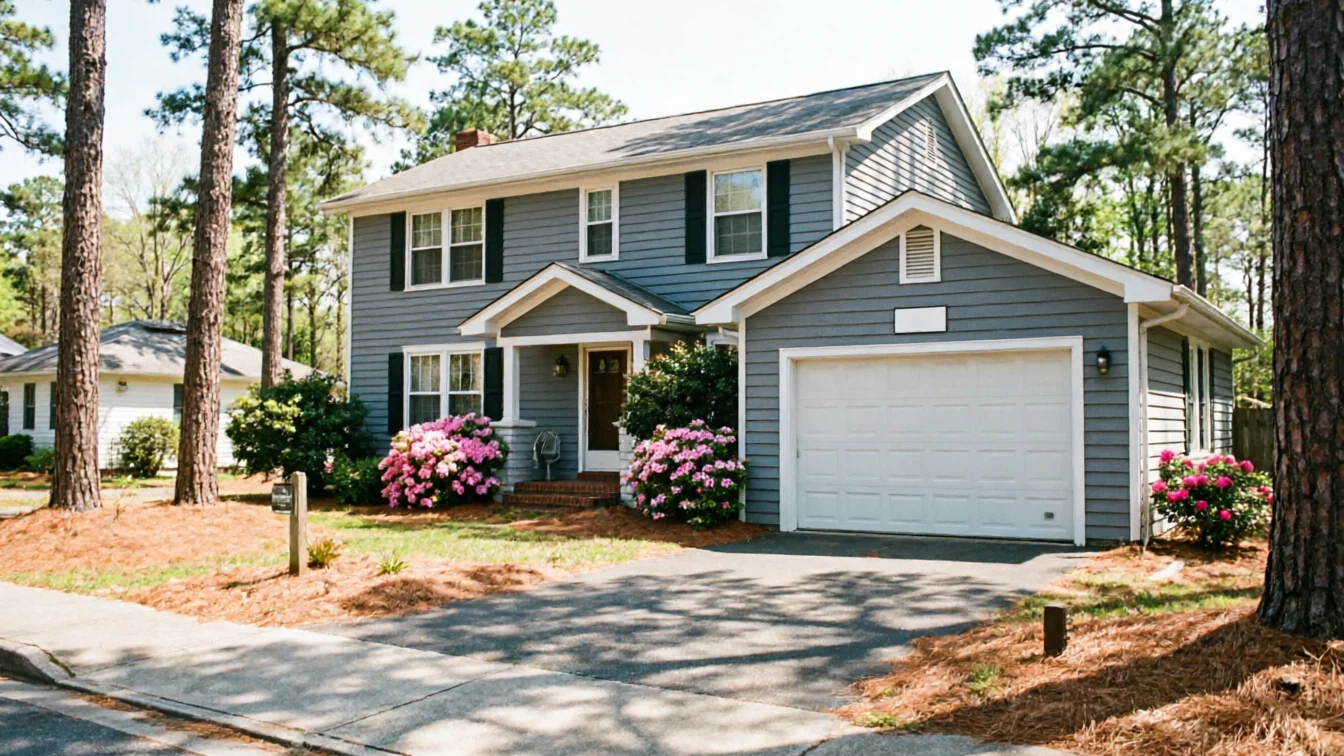
Swapping a chain-drive opener for a belt-drive unit on a door this age is doable if the door is already balanced and the track is in good shape - a lot of people handle that part themselves. Where we'd tell you to call instead: if the door drifts down on its own when disconnected from the opener, that's a spring problem, not an opener problem, and running a new motor against bad springs will cost you the opener inside a year. We don't install openers on doors we haven't checked for balance first, and we won't pretend that's a step you can skip.
Questions
In most cases, yes. We check the door's weight, track condition, and header framing before mounting anything. If the door is still structurally sound and balanced, a new opener installs onto the original hardware without a door replacement.
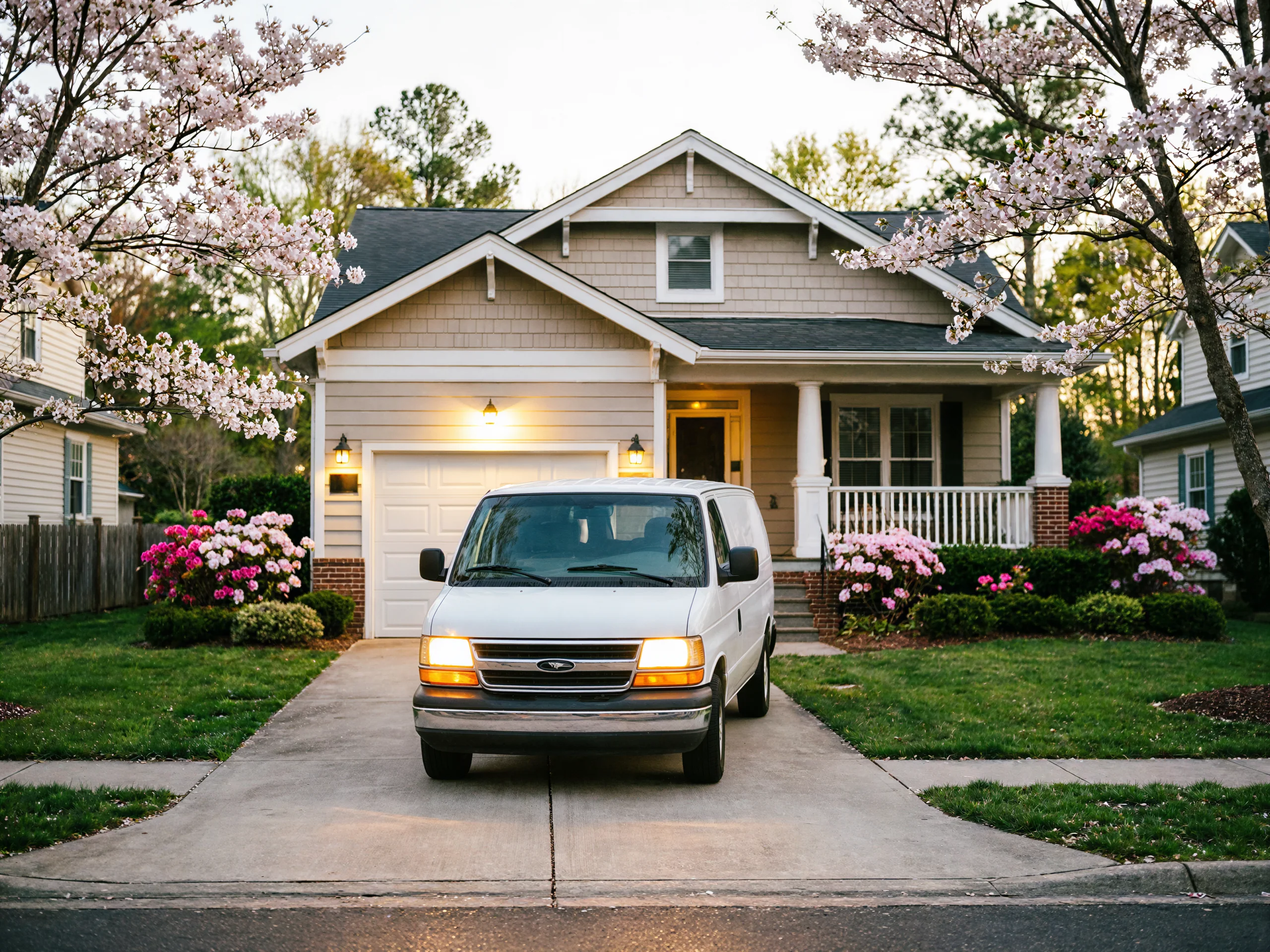
No. We're based in Maryville and travel out to Louisville, about 7 miles away, for jobs. There's no local branch or storefront here - just the truck and the install.
On houses from this era it's usually worn rollers or a slightly unbalanced door, not the opener itself. The motor's force sensor reads the extra drag as resistance and reverses to protect the door. We check balance and roller wear before resetting force.
Explore more
Ready when you are
Maryville Garage Door Pros repairs and installs garage doors, springs and openers in Maryville, TN and the surrounding area.