Quote variables by job
We don't post a flat price here because every job is different - torsion versus extension spring setup, insulated versus single-layer panel, whether the opener needs to come out too.
Alcoa, Maryville
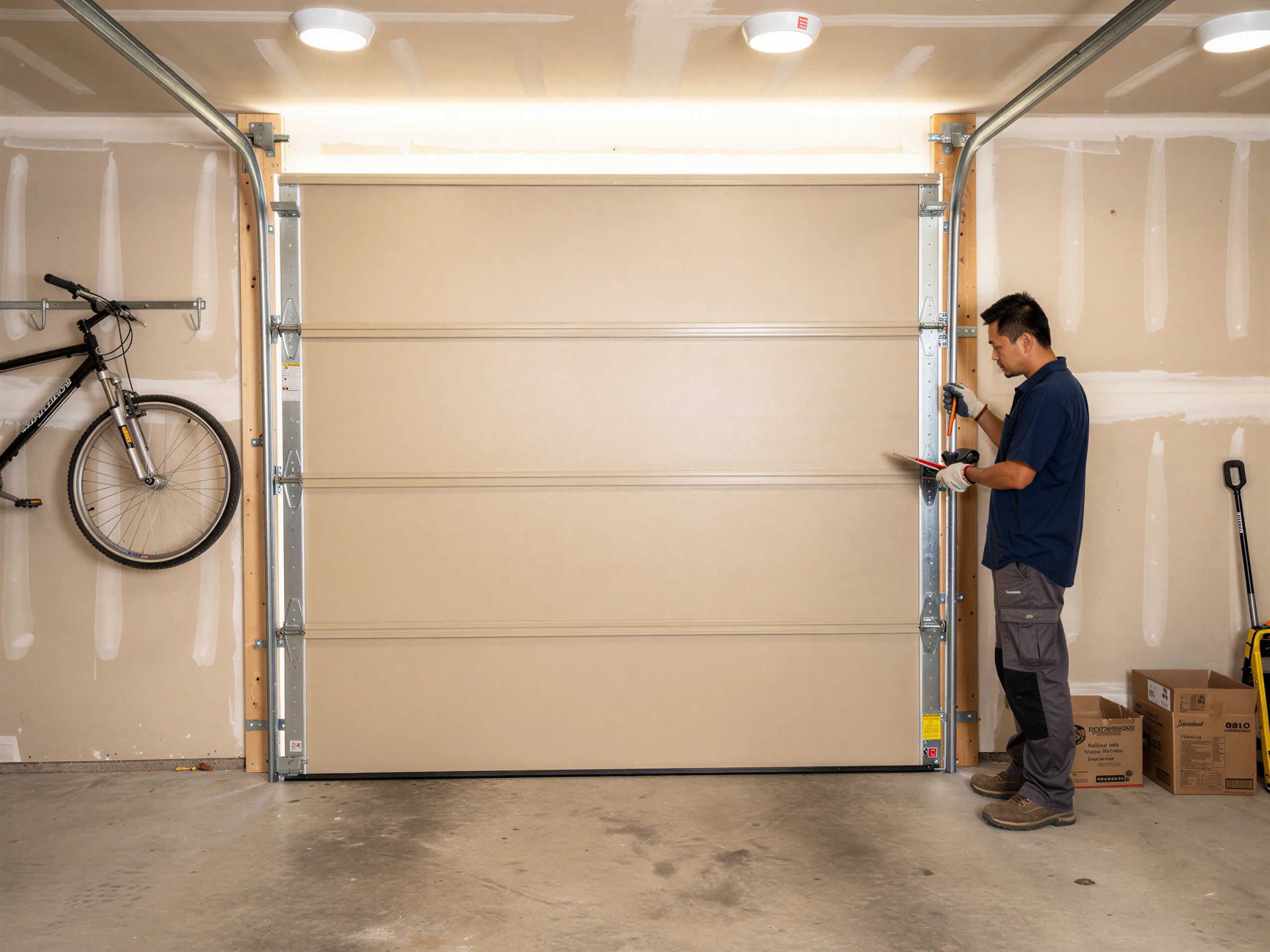
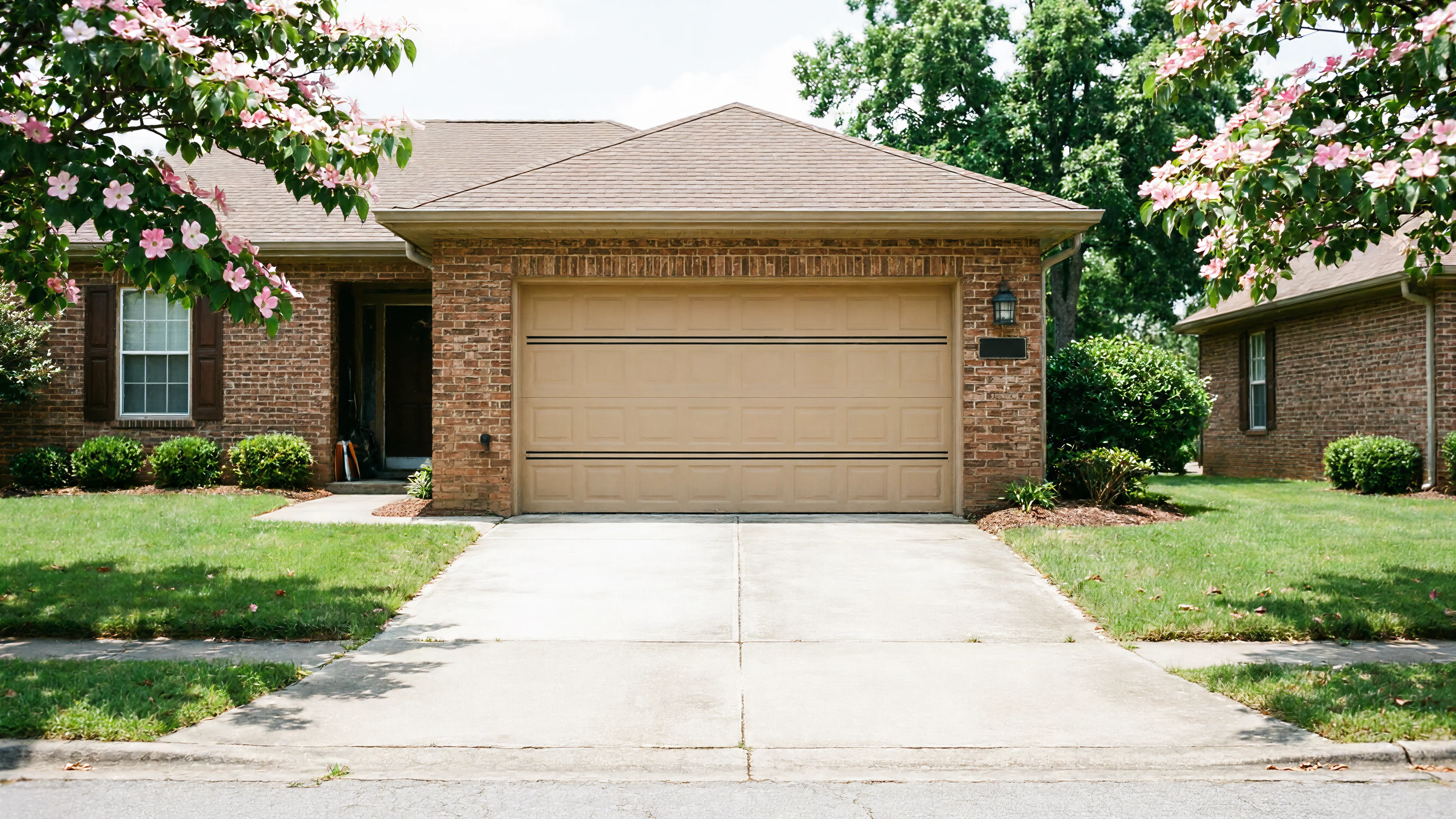
Alcoa homes built around 1976 often carry original steel doors and extension springs. See what installation looks like at this income level and housing age.
Pricing
Alcoa's median household income sits at $60,049, well under the $83,485 median for the wider service area we cover from Maryville. That gap matters when you're deciding whether to sink money into a repair or just replace the door outright.
We don't post a flat price here because every job is different - torsion versus extension spring setup, insulated versus single-layer panel, whether the opener needs to come out too.
But the math we walk customers through is simple: if a door is already past 20 years old and needs a second or third repair, the repair bill starts closing in on what a new door costs, and a new door comes with a warranty the old one never will again.
At Alcoa's income level, we see more owners choose a mid-grade steel door over a premium insulated model, and that's a reasonable call for a lot of these houses. We'll tell you straight if your door is a fix, not a replace - we're not going to sell a new door to someone who needs a $40 roller.
Symptoms
Houses in Alcoa have a median build year of 1976, which puts a lot of this town's garage doors and hardware a full decade or more ahead of the 1989 median for the broader area.
What that means on the ground: single-layer steel doors with no insulation, extension springs mounted along the horizontal track instead of a torsion bar over the opening, and openers that have likely been replaced once already even if the door itself never has.
The symptom we hear most from this part of town is a door that's noticeably heavier to lift by hand than it used to be, or a door that slams the last foot of travel instead of settling. Both point to spring fatigue that's been building for years, not a sudden failure.
Some owners also notice the garage running colder or hotter than the rest of the house - with Alcoa sitting in a cold-moderate climate band, an uninsulated door built in the mid-1970s just wasn't built with that in mind.
Our process
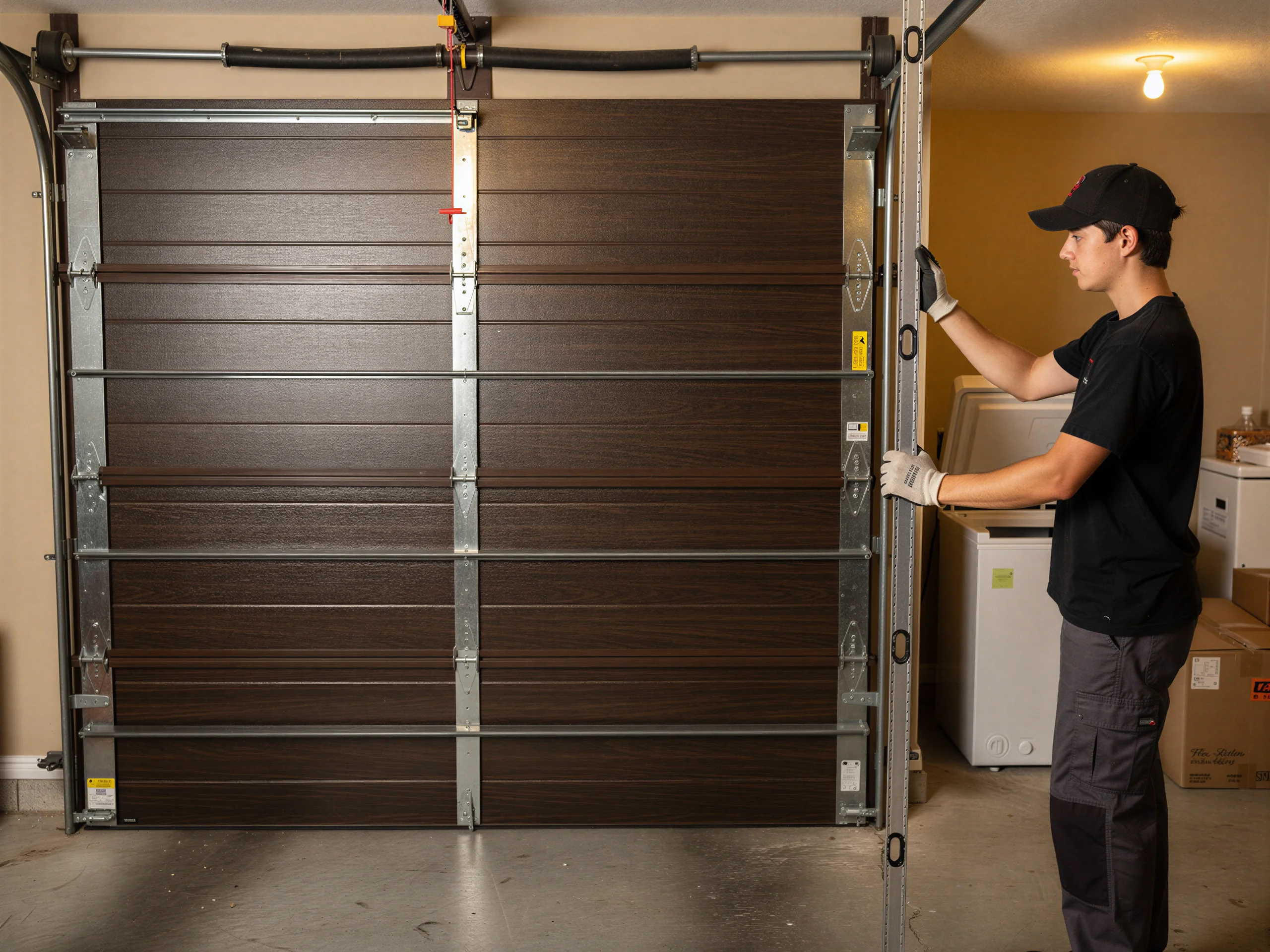
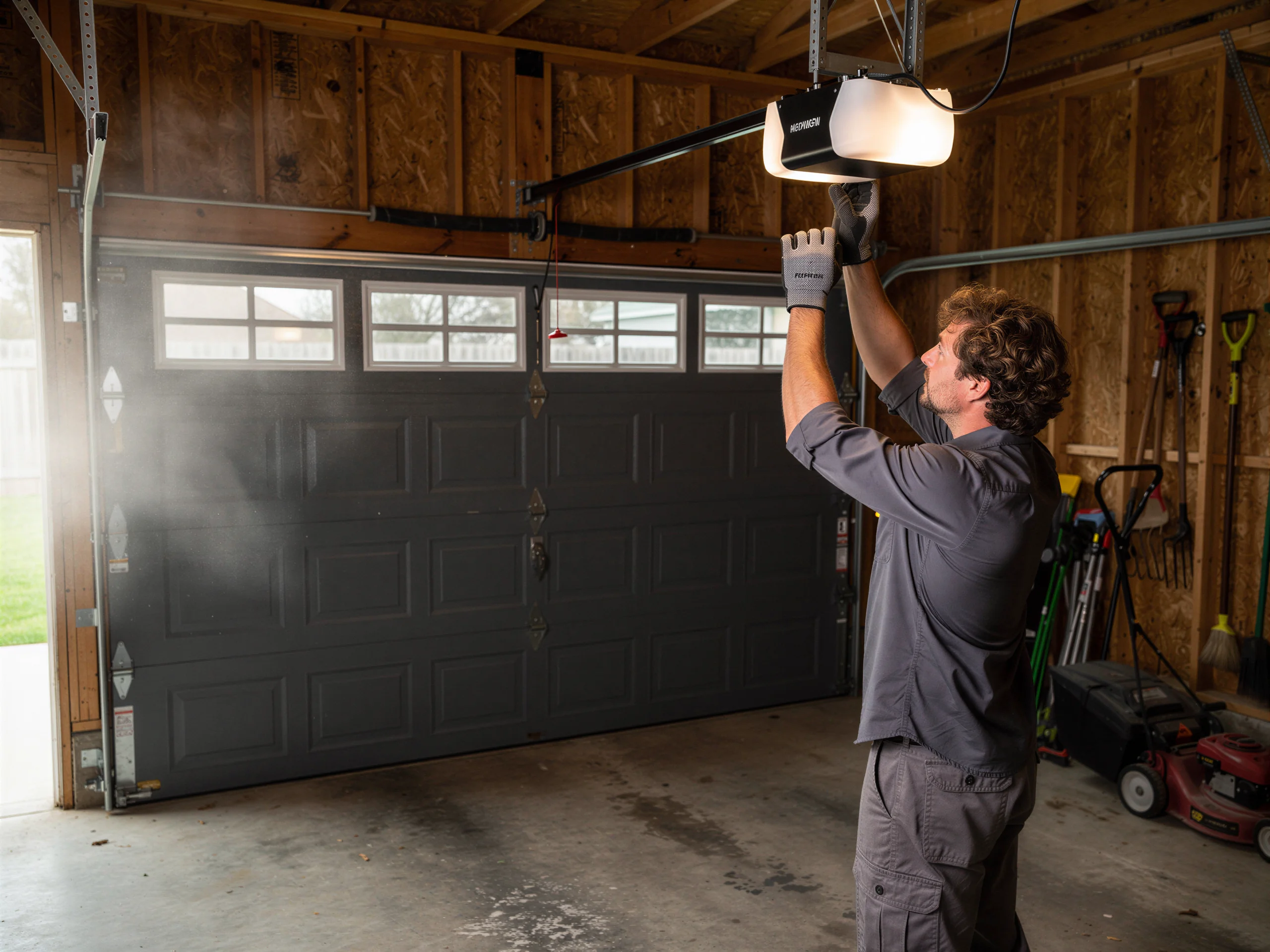
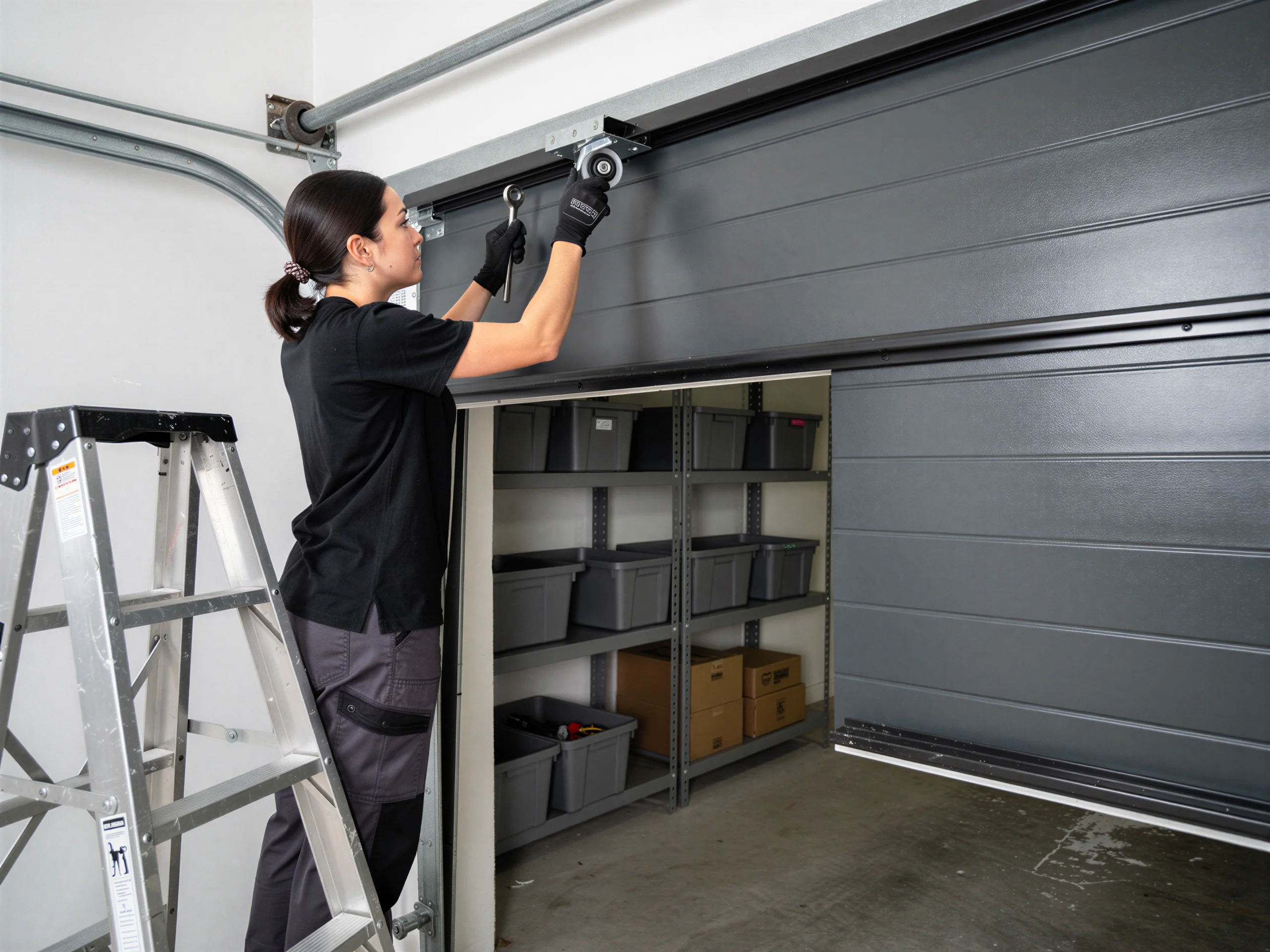
When we come out to Alcoa, the first call is whether the existing track and framing can take a new door or whether the opening itself needs work - on a house from the mid-1970s, framing has usually shifted a little over the decades and needs shimming before a new door goes in square. We pull the old extension spring setup if that's what's there, since most new doors spec torsion hardware, and we size the new springs to the actual door weight rather than guessing off the old ones. Insulated panel doors go in with new rollers and hinges as standard, not reused from the old door. If the opener is original to the house, we'll usually recommend swapping it at the same time - running a new door off 40-year-old opener electronics is asking for a callback. We travel out from Maryville for every job in Alcoa; there's no local branch, so we schedule the install as a single visit rather than multiple trips.
Local causes
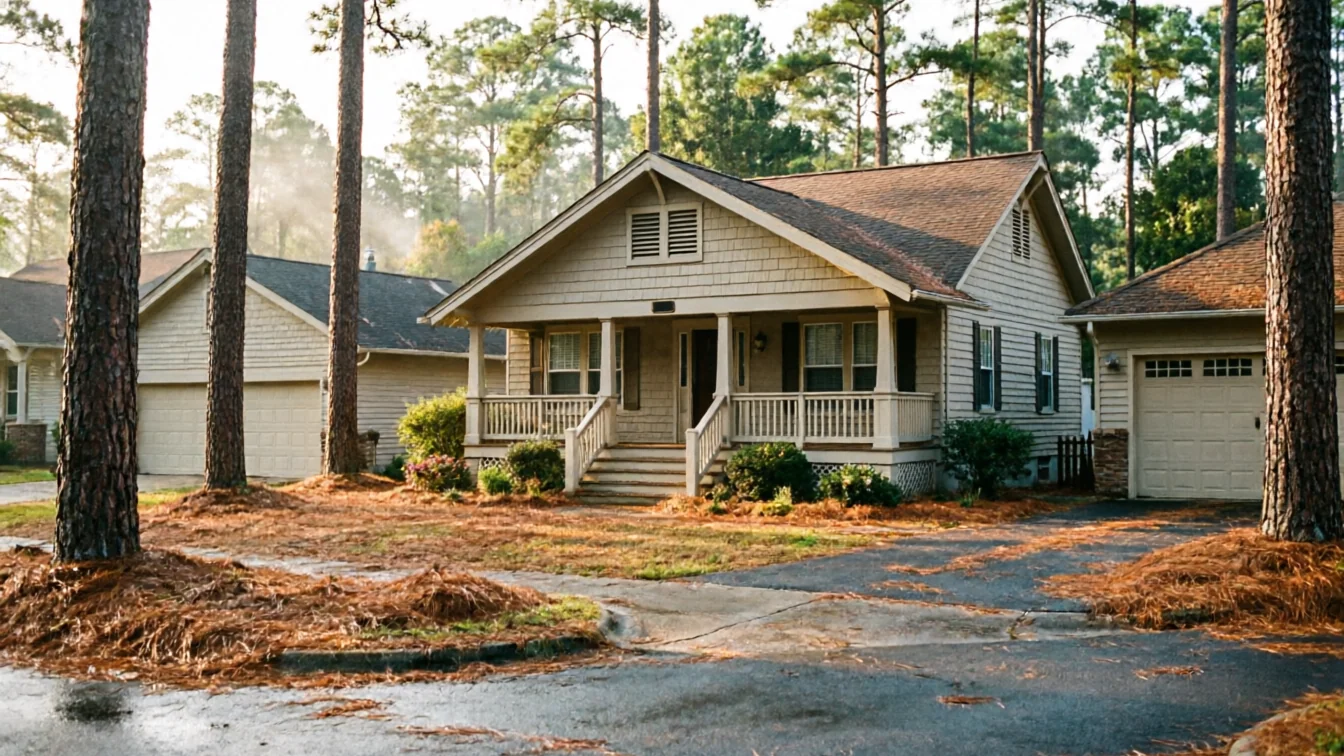
The 1976 median build year is the whole story for Alcoa. Doors and openers installed when a house was built in the mid-1970s are now pushing 50 years old if they were never swapped, and even a replacement done in the 1990s is 30-plus years in. Across the broader 13-area region we cover, the housing stock runs 1958 to 2003 with a median around 1989, so Alcoa sits on the older end of that range - which is exactly why original hardware shows up here more than in the newer pockets of the service area. Add a cold-moderate climate and the yearly cycle of expansion and contraction on steel panels and hardware takes a real toll over five decades. None of this is unique to one house - it's a town-wide pattern tied to when Alcoa was built out, and it's the main reason installation calls here skew toward full hardware replacement rather than a simple door swap.
On the truck
For an Alcoa install we carry both torsion and extension spring kits, because we don't know which setup we'll find until we're in the garage - on a house from this era it could genuinely be either.
We stock insulated and non-insulated steel panel doors in standard widths, new roller and hinge sets regardless of what's being replaced, and the track hardware to convert an old extension-spring door over to torsion if that's what the homeowner wants.
We don't carry custom wood doors or odd-sized openings on the truck - those get special-ordered, and that adds lead time we'll tell you about up front before you commit to a date.
Since every job here means a drive out from Maryville, we try to load the truck to finish in one visit rather than coming back twice for a part we should have had the first time.
Questions
It depends on the door's age and what's failing. With a median build year of 1976, a lot of Alcoa's original hardware is well past its expected life, and a second major repair on a door that old usually costs enough that a new door with a warranty makes more financial sense. We'll give you both numbers before you decide.
No. We're based in Maryville and travel out to Alcoa, about 4 miles away, for every job. There's no local depot, so we schedule installs as a single full visit rather than multiple trips.
Torsion bar setups weren't standard on every builder-grade garage in the mid-1970s the way they are now. A lot of Alcoa houses from that era still have the original extension-spring track system, which is heavier to lift and wears differently than torsion hardware.
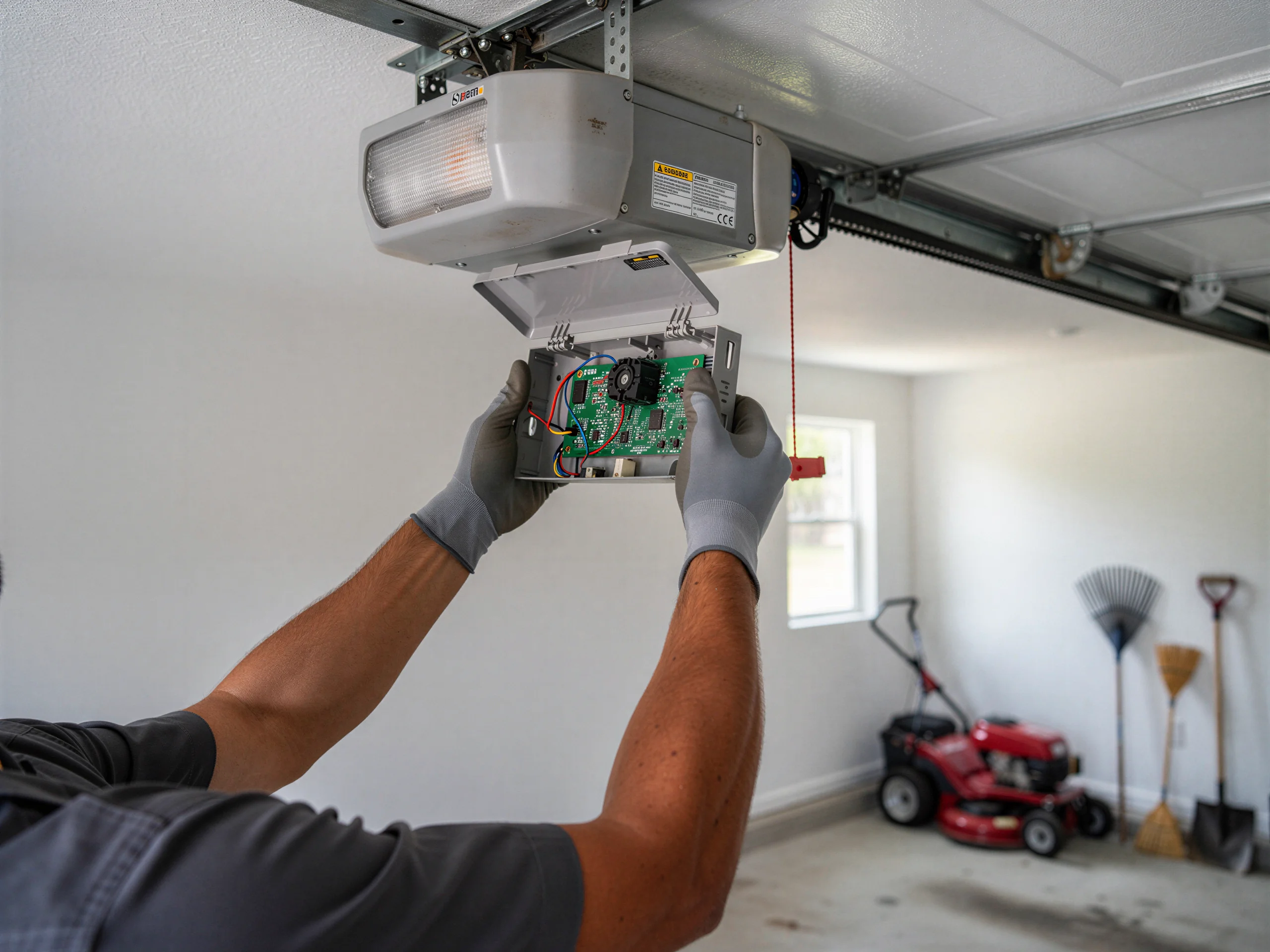
Sometimes, but we usually recommend replacing an opener that's original to a mid-1970s house at the same time as the door. Running new door weight and balance off 40-plus-year-old opener electronics tends to shorten the life of both.
Explore more
Ready when you are
Maryville Garage Door Pros repairs and installs garage doors, springs and openers in Maryville, TN and the surrounding area.